Surgeon in Riga | Republikas laukuma klīnika
A surgeon is a medical doctor specializing in treating various diseases, growths, and pathologies using operative methods. A surgeon not only performs surgeries but also helps restore the patient’s health and quality of life after surgical treatment.
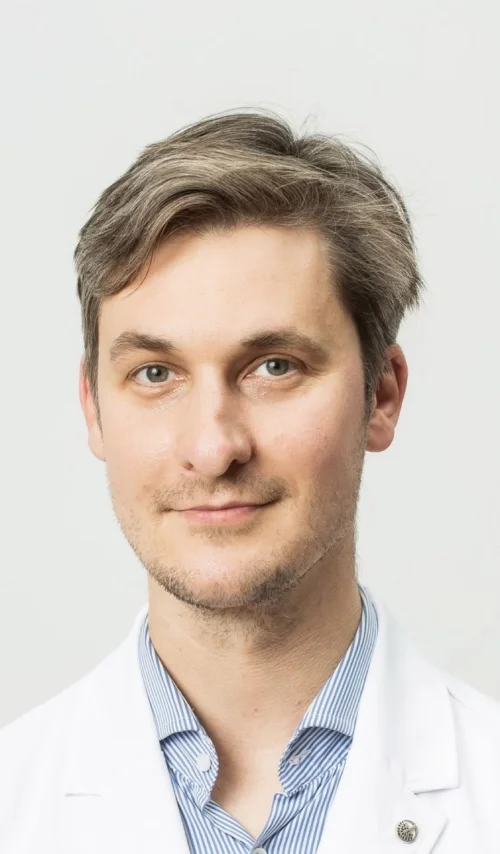
Dr. Jānis Opincāns
A highly qualified surgeon in Riga works at “Republikas laukuma klīnika” who will:
- Assess the severity of a disease or growth.
- Review diagnostic tests, such as ultrasound or laboratory analyses.
- Develop an individualized treatment plan, which may include medications or surgical intervention.
What is surgery?
Surgery is a branch of medicine that deals with the treatment of diseases and pathological conditions through operations. It is one of the oldest and at the same time one of the fastest‑developing medical fields, which today includes both traditional methods and modern technologies. Surgical procedures are performed to resolve acute problems, treat chronic diseases, or improve quality of life.
What does surgery include?
Surgery covers a wide range of health issues — from hernias and gallstones to stomach and intestinal growths, as well as skin, vascular, and endocrine system pathologies. It includes several sub‑specialties:
- General surgery — abdominal operations, hernia repair, gallbladder removal.
- Traumatology and orthopedics — treatment of bone fractures, joint and ligament injuries.
- Vascular surgery — correction of varicose veins and arterial diseases.
- Plastic and reconstructive surgery — aesthetic and functional corrections.
Advantages of modern surgery
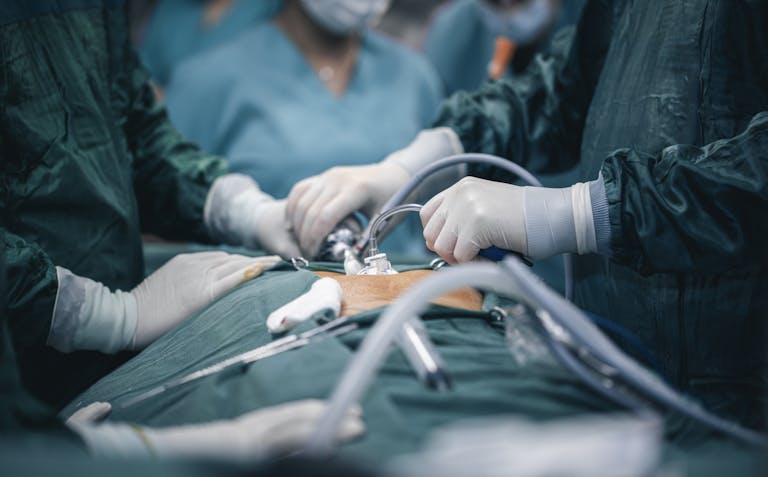
Today, minimally invasive methods such as laparoscopy are widely used, providing less pain, shorter recovery time, and better aesthetic results. Many surgeries are performed on an outpatient basis, allowing the patient to return home the same day.
Most common surgical diseases
Surgical diseases can be classified according to several criteria.
By localization, they include abdominal, thoracic, skin and subcutaneous tissue, and gastrointestinal pathologies.
By nature, they may be benign (e.g., hernias, gallstones) or malignant (tumors).
By severity, they may be mild, moderate, or severe. Severity is determined by the stage of the disease and possible complications.
The severity of surgical conditions can vary greatly — from small growths to life‑threatening states. The treatment plan depends on the type and severity of the disease.
Timely consultation with a surgeon is essential not only in acute cases but also in the management of chronic conditions.
Abdominal pain
Abdominal pain may be associated with various conditions — appendicitis, bowel obstruction, gallbladder inflammation, or a perforated ulcer. Timely diagnosis is crucial to prevent complications. Abdominal ultrasound is a safe and informative diagnostic method.
Gallbladder diseases
Gallstones and gallbladder inflammation are common problems that cause pain in the right upper abdomen, nausea, and digestive disturbances. Surgical treatment (cholecystectomy) is often the only effective solution.
Hernias
Abdominal wall hernias (such as inguinal or umbilical) occur when organs protrude through weak spots in the muscles. Hernias may enlarge and lead to serious complications if not treated.
Soft tissue masses
Benign or malignant masses under the skin or in the muscles require surgical intervention to prevent infection risks or oncological complications.
Surgical diseases and their classification
Surgical conditions can be classified in several ways:
- By location: abdominal cavity, chest, skin and subcutaneous tissues, gastrointestinal tract.
- By nature: benign (e.g., hernias, gallstones) or malignant (tumors).
- By severity: mild, moderate, or severe—determined by disease stage and possible complications.
The severity of surgical conditions can vary greatly, from minor growths to life-threatening states. The treatment plan depends on the type and severity of the condition. Timely consultation with a surgeon is important not only for acute cases but also for managing chronic conditions.
Principles of surgical care
The foundation of surgical care is timely and high-quality assistance. Treatment principles include diagnosis, pain management, and post-operative care. Modern surgery uses both conservative methods (medications, diet, observation) and surgical interventions.
A multidisciplinary approach is essential—surgeons collaborate with specialists such as:
Scheduling a surgeon consultation
Booking a consultation in advance can significantly affect treatment outcomes. Regular check-ups allow early diagnosis and help prevent potential complications.
Consultation with a surgeon is necessary for issues involving the abdominal cavity, skin and subcutaneous tissues, and gastrointestinal tract—such as hernias, gallstones, growths, and inflammations. Surgeon assistance is also essential for managing chronic conditions and post-operative care.
Timely scheduling reduces waiting time and accelerates treatment initiation, which is crucial in acute cases where prompt medical intervention can prevent long-term consequences.
Need a surgeon in Riga? Contact the specialists at “Republikas laukuma klīnika” now!
Frequently Asked Questions
A surgeon is a doctor specialized in treating various diseases and pathologies through operative methods. This specialist helps patients with a range of health problems, from simple hernias to complex tumors and inflammations.
Bring all previous test results if available—ultrasounds, MRI, or CT scans and their reports.
Bring conclusions from other doctors if available.
Write down your symptoms and questions for the consultation. Note when the problems began, and what worsens or relieves them.
Be prepared to discuss daily habits, diet, physical activity, and medications previously used. This helps the surgeon better understand your condition.
The consultation fee at “Republikas laukuma klīnika” in Riga is €60.00.