
Health Information and Medical Advice
Explore clear and reliable information about common symptoms, diagnostic tests, medical conditions and treatment options. Our health articles cover women’s health, laboratory tests, joint and musculoskeletal conditions, digestive health, men’s health and preventive care.
The information is intended to help you understand when self-care may be sufficient and when it is advisable to consult a doctor. For an individual medical assessment, you can book an appointment with a specialist at Republikas laukuma klīnika in central Riga.
-

Healthcare in Latvia: A Complete Guide for Newcomers
Healthcare in Latvia: what newcomers need to know Moving to Latvia to work, study or start a new chapter comes with many practical questions. One of the most important is what to do if you need medical care before you have fully understood the local healthcare system. Latvia has both state-funded and private healthcare services.…
-
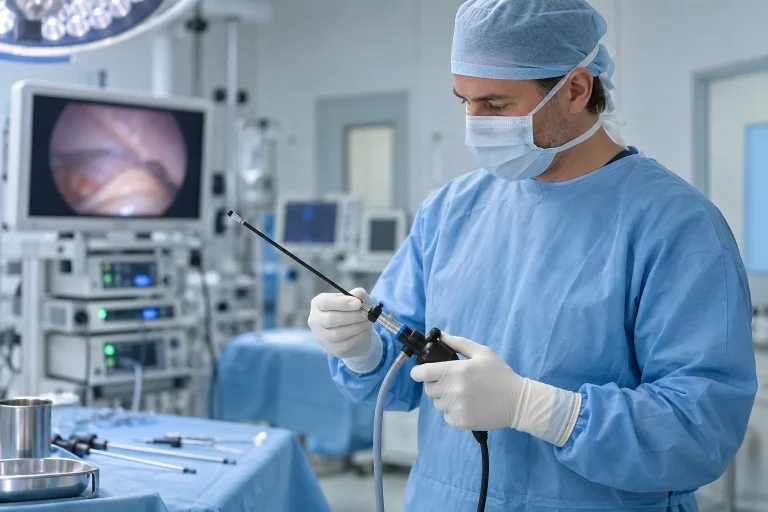
Laparoscopy: How is the operation performed and how long does recovery take?
Laparoscopy is a minimally invasive surgical technique that allows a surgeon to examine and operate on organs inside the abdomen or pelvis through small incisions with the assistance of a camera. The incisions are generally smaller than those used for traditional open surgery. However, laparoscopy is still a surgical procedure that requires anaesthesia, preparation and…
-

Ankylosing spondylitis: symptoms and early signs
Back pain is extremely common. In most cases, it is associated with muscle strain, prolonged sitting, poor posture or a mechanical problem affecting the spine. However, persistent pain in the lower back and sacral region can sometimes indicate a chronic inflammatory condition called ankylosing spondylitis. Ankylosing spondylitis commonly begins during adolescence or early adulthood. Its…
-

Adult circumcision – when is foreskin surgery necessary?
Circumcision is the surgical removal of the foreskin. It may be considered when a tight foreskin causes pain, makes hygiene difficult or leads to recurrent inflammation. Some men seek medical advice only when the discomfort begins to interfere with erections or sexual activity, or when the foreskin can no longer be pulled back over the…
-

Bartholin Gland Cyst: Symptoms, Treatment and Surgery
Anatomical changes in the intimate area can remain unnoticed until they cause discomfort or interfere with everyday activities. One of the more common but less frequently discussed gynaecological conditions is a Bartholin gland cyst. According to international medical data and clinical observations, approximately 2% of women develop a Bartholin gland cyst during their lifetime. Although…
-
C-reactive protein – why levels remain high after illness
C-reactive protein (CRP) is a fundamental marker in modern laboratory diagnostics. If you are looking for answers as to why this indicator spikes after recovering from infections or how it reacts to chronic stress, it is essential to understand its biological nature rather than just looking at the numbers on your test results. What is…
-
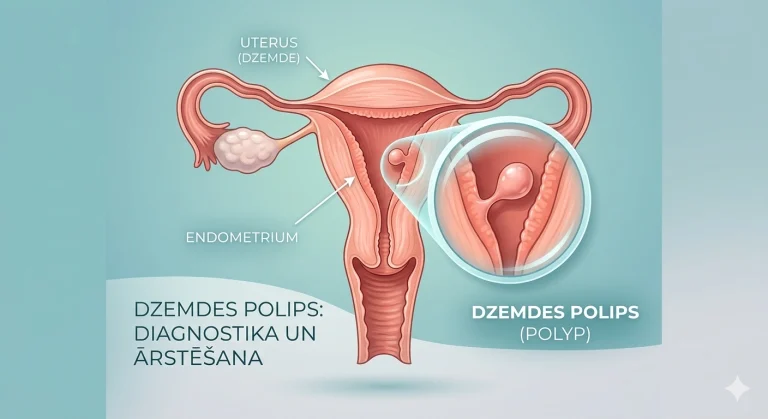
Uterine polyps – symptoms, diagnosis, and treatment according to international guidelines
Gynecological health is directly linked to a woman’s quality of life, reproductive functions, and overall peace of mind. One of the most common pathologies encountered by women at various stages of life is a uterine polyp (either an endometrial or cervical polyp). Although the vast majority of these growths are benign, the symptoms they cause…
-
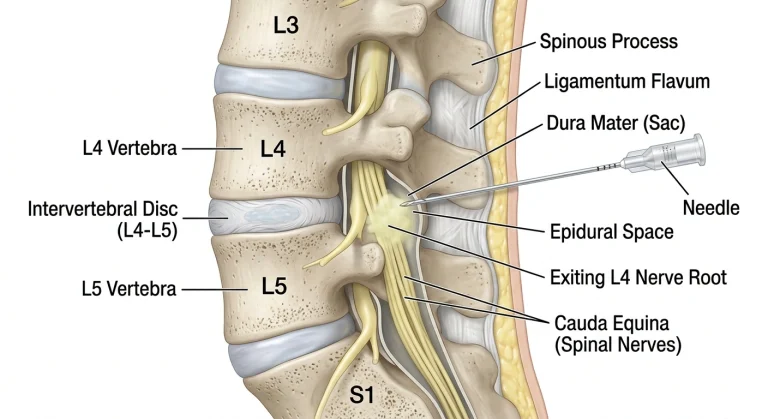
Epidural steroid injections
Back pain, especially when radiating to the legs (sciatica), can become an insurmountable obstacle to daily activities Epidural steroid injections (ESI), commonly known as a “back blockade,” are often presented as a “quick fix.” However, from a clinical research perspective, the picture is much more nuanced. In this article, we analyze whether this procedure truly…
-
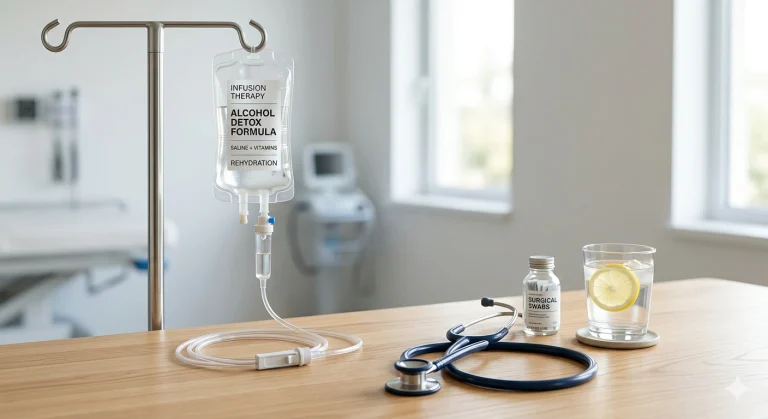
Hangover and alcohol detoxification
The consequences of alcohol consumption are not just temporary discomfort; they represent a complex reaction of body systems to toxic substances. When we look for a solution to the term “hangover,” we are actually searching for a way to stop the oxidative stress and electrolyte imbalance caused by ethanol metabolism. In this article, we will…
-
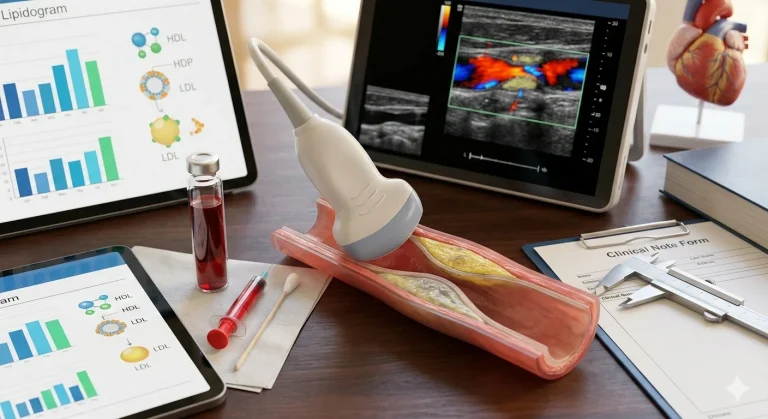
Cholesterol and vascular health: why a standard blood test is not enough
Cholesterol is often perceived as the “classic villain,” yet modern cardiology and international research (e.g., European Society of Cardiology guidelines) offer a more nuanced perspective. Understanding how cholesterol affects vascular health is the first step toward preventing cardiovascular diseases. What is cholesterol? Cholesterol is a waxy, fat-like substance (lipid) produced by the liver and obtained…
-

Pregnancy: early signs, trimesters and prenatal care
Pregnancy brings many physical and emotional changes. Some women notice symptoms before their period is due, while others experience almost no early signs. Every pregnancy is different, and symptoms alone cannot confirm whether you are pregnant. A home pregnancy test can provide an initial answer. Once pregnancy is confirmed, it is advisable to arrange an…
-
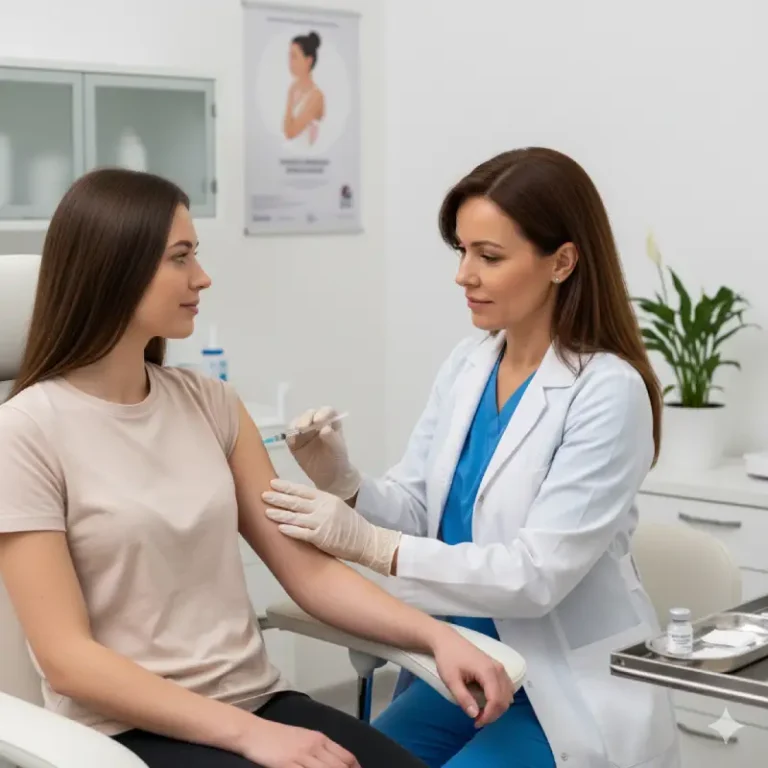
Human papillomavirus – HPV
Human papillomavirus (HPV) is one of the most common viruses in the world, affecting the majority of sexually active individuals during their lifetime. It infects the deeper layers of the skin and mucous membranes. There are more than 100 known types; while many are harmless, others are oncogenic and can cause serious diseases, including cervical,…
-

Iron deficiency anaemia – symptoms, tests and treatment
Iron deficiency is one of the most common nutritional deficiencies worldwide. It can cause persistent fatigue, weakness, shortness of breath, reduced concentration and other symptoms that affect everyday life. However, treatment should not focus only on restoring iron levels. It is also important to determine why the deficiency developed. Possible causes include blood loss, increased…
-
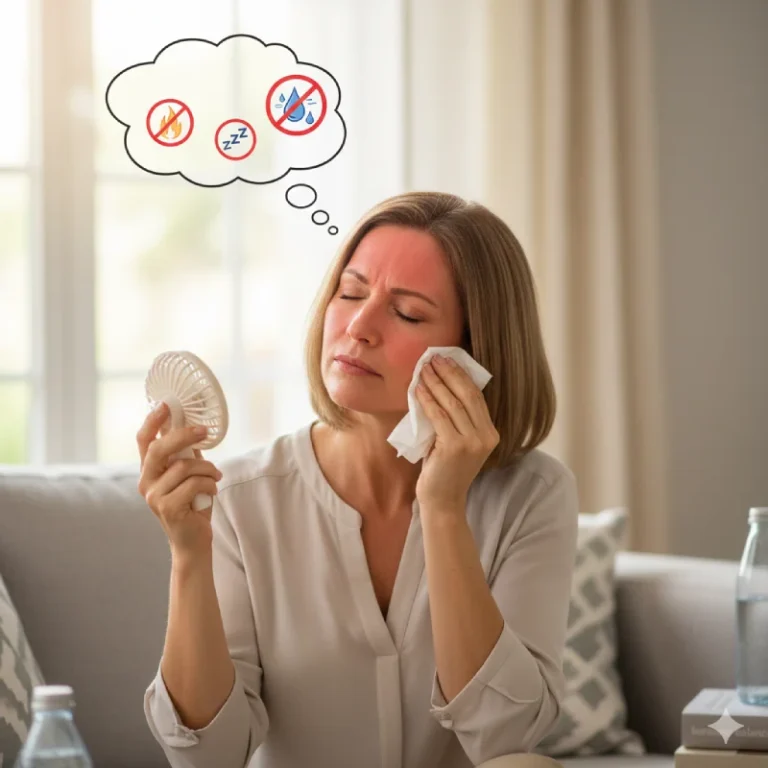
Menopause – symptoms, treatment and hormonal therapy
Menopause affects not only the reproductive system but also cardiovascular health, skin elasticity, hair structure, and emotional well-being. For some women, symptoms are mild; for others, they are severe and impact daily life. Choose the right gynecologist for you at the “Republic Square Clinic” (Republikas laukuma klīnika). What is menopause? Menopause is a natural stage…
-
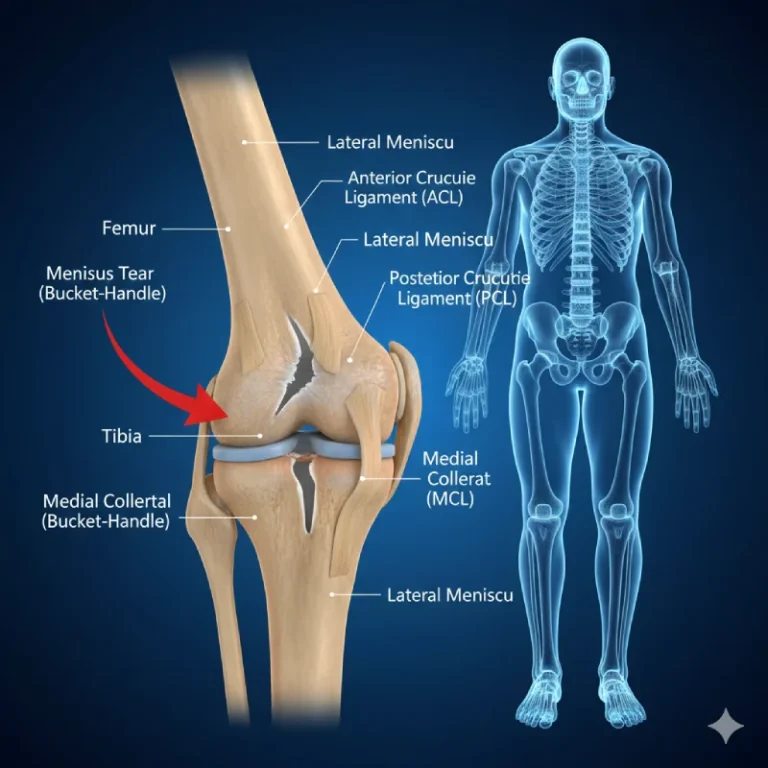
Meniscus tear – symptoms and the role of a traumatologist
A meniscus tear is a serious knee joint injury that can significantly impact quality of life. The meniscus itself rarely heals on its own, making timely diagnosis and treatment essential. Arthroscopy is an effective and safe method that allows for the preservation or restoration of meniscus function. While rehabilitation ensures full recovery, the traumatologist plays…
-

Vaginal dryness
Vaginal dryness and modern treatments Vaginal dryness is a common issue affecting women at different stages of life. Although it is not often discussed, it significantly impacts quality of life, intimate relationships, and emotional well-being. Regular gynecologist visits and modern treatments, including hyaluronic acid and PRP injections, can provide effective solutions. What is vaginal dryness?…
-

Breastfeeding consultation
Breastfeeding is the most natural and healthiest way to ensure a child’s development and health. If difficulties arise, one should not hesitate to seek help—a breastfeeding consultation under a pediatrician’s supervision will help solve problems and provide support for both mother and child. Why is breastfeeding consultation important? Breastfeeding is one of the most essential…
-

Irregular periods
Irregular periods: causes, diagnosis and treatment What are irregular periods? A normal menstrual cycle lasts 21–35 days, with bleeding for 3–7 days. If cycles are shorter, longer, or bleeding occurs unpredictably, this is considered irregular menstruation. It is common and may be linked to physiological changes or health conditions. When are periods considered irregular? Possible…
-

Travel vaccination: an essential step for a safe journey
Traveling abroad is often associated with new experiences, exploring cultures, and relaxation. However, to avoid unpleasant surprises, it is important to take care of your health in advance. One of the most important preventive measures is vaccination. Travel vaccination is not only individual protection against infectious diseases but also a matter of public health safety.…
-
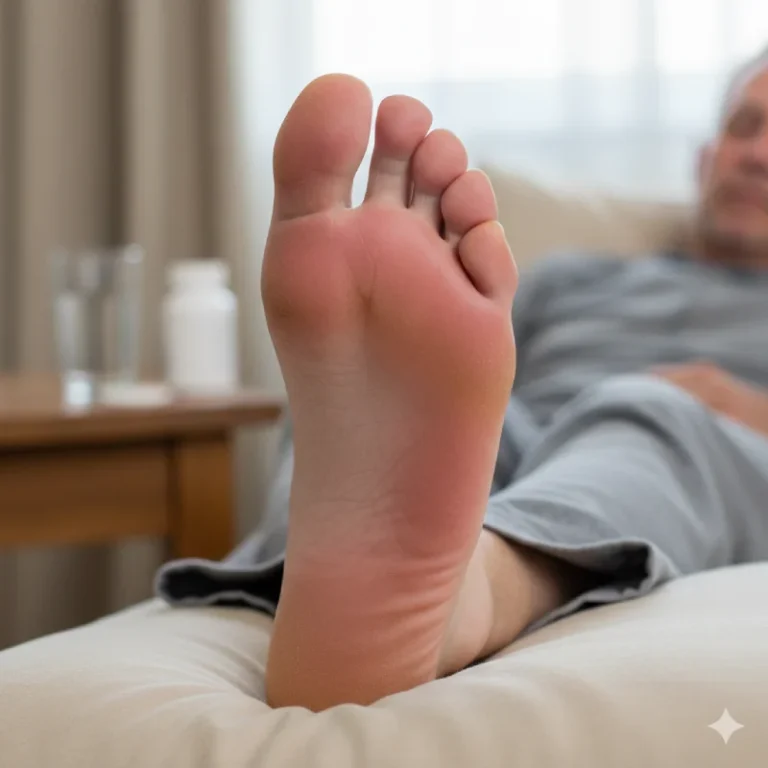
Gout – when joints speak louder than words
Have you ever woken up at night with a sudden, burning pain in your big toe? Does the joint feel hot, swollen, and so sensitive that even a blanket feels too heavy? If so, it might be gout – a disease that is often misunderstood, ignored, or treated too late. As a rheumatologist with years…
-
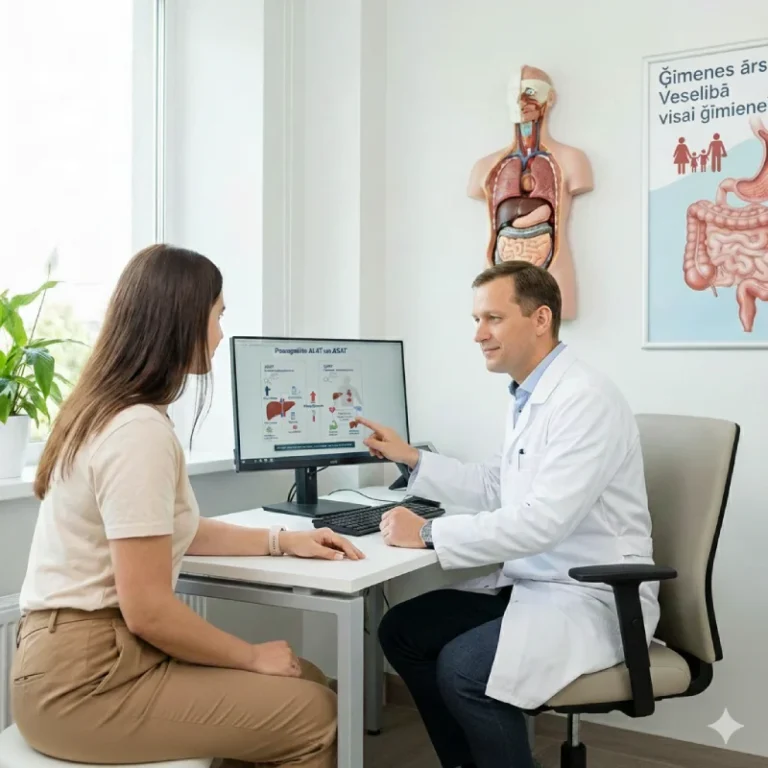
ALAT and ASAT tests: What do they actually mean?
When patients first hear about ALAT and ASAT tests, the question often arises: what are they, and why are they important? Often, these indicators help detect serious liver diseases before symptoms appear. Elevated liver enzymes are a signal that further examination is needed. Sometimes the reason is simple and easily resolved (e.g., changing medication or…
-

Medical abortion in Riga – confidential care in early pregnancy
Republikas laukuma klīnika provides medical termination of pregnancy up to 7 weeks of pregnancy. The procedure is carried out under the supervision of a gynaecologist after confirming the duration and location of the pregnancy. Before a medical abortion, the doctor assesses your health, performs or arranges the necessary examinations and explains how the medication works,…
-
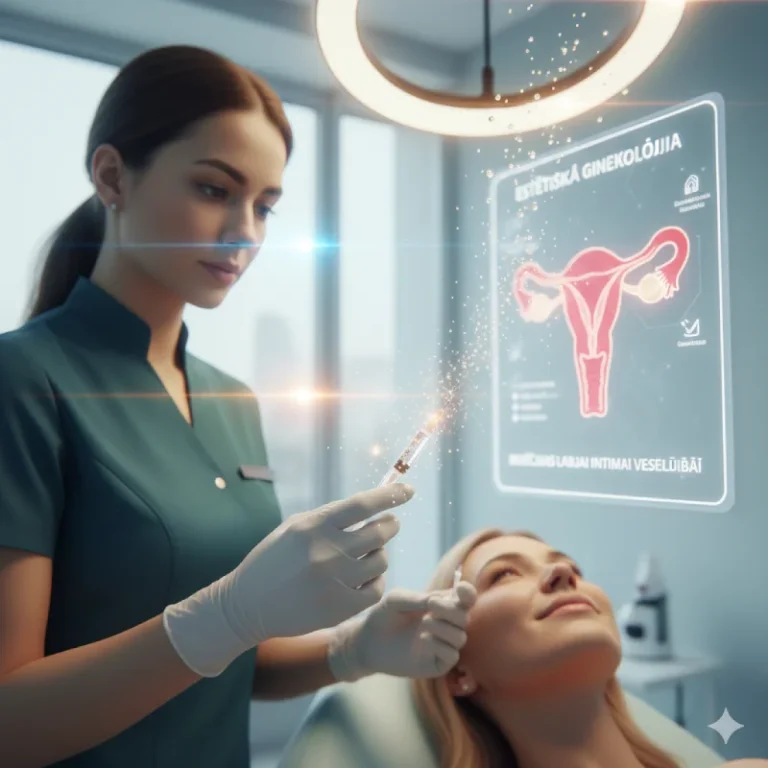
Gynecological hyaluronic acid and PRP injections
Hyaluronic Acid and PRP Injections in Gynecology Gynecological hyaluronic acid and PRP injections have become an important tool in modern medicine for addressing various women’s health issues. These minimally invasive procedures offer an alternative to traditional treatments and can significantly improve quality of life. Hyaluronic acid and PRP injections effectively help treat vaginal dryness, reduce…
-

Chronic fatigue and iron deficiency – why you feel constantly tired
Chronic fatigue is more than just feeling sleepy after a long day—it is a persistent, debilitating lack of energy that doesn’t improve with rest. While fatigue can stem from various lifestyle and medical factors, one of the most clinically prevalent yet overlooked biological causes is iron deficiency, with or without anemia. How low iron drains…
-

Snoring and sleep spnea
Snoring and sleep spnea: more than just nighttime noise Snoring is often perceived as a harmless sleep disturbance or even a comical phenomenon, but it can be an early sign of a serious health issue — obstructive sleep apnea (OSA). What causes snoring? Snoring occurs when airflow through the upper airways becomes obstructed, usually due…
-
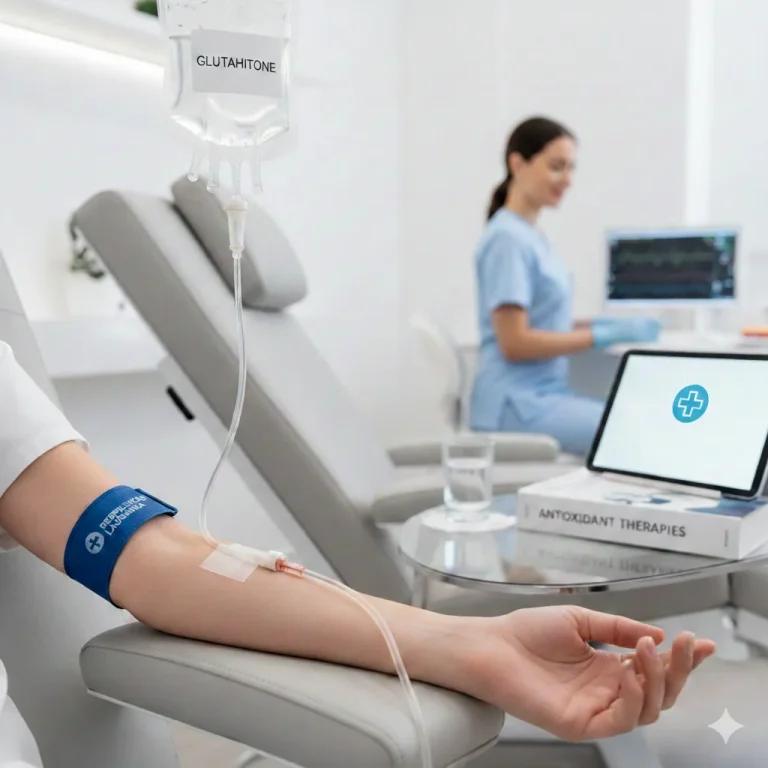
Glutathione: The master antioxidant and its role in cellular health
Glutathione is a tripeptide composed of three amino acids: glutamic acid, cysteine, and glycine. It is found in many tissues at relatively high concentrations within cells, similar to levels of glucose, potassium, and cholesterol. It plays a vital role in several key physiological processes: Because intracellular glutathione concentrations are high, it functions as the body’s…
-
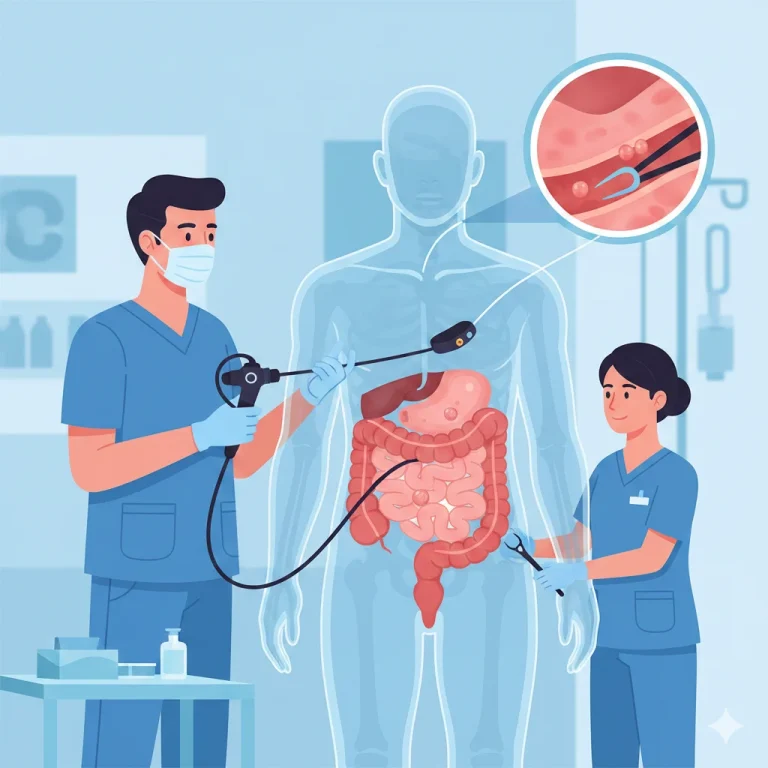
What is a colonoscopy?
Have you ever felt that your stomach or intestines are sending signals that are impossible to ignore? In this article, I will explain what a colonoscopy is, why it is important, how to prepare for it, and what to expect. The goal is to provide clear, understandable, and practical information to help you make an…
-
PRP injections for joints – natural joint restoration without surgery
Nowadays, more and more patients are looking for effective and safe methods to reduce joint pain and improve quality of life while avoiding aggressive surgeries. One of the most modern options is PRP injections in the joints – Platelet-Rich Plasma therapy, also available at “Republikas laukuma klīnika”. This method is particularly relevant for those with…
-

Low testosterone: symptoms, diagnosis, and treatment
Testosterone is the primary male sex hormone, produced mainly in the testicles. It plays a critical role in maintaining muscle and bone mass, regulating libido, supporting mood, and ensuring sustained energy levels. While women also produce testosterone, they do so in much smaller amounts; nevertheless, it remains essential for their overall physiological health. What is…