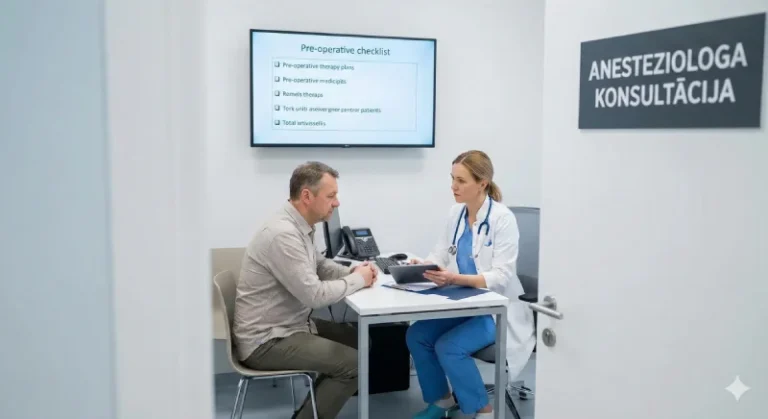
Republikas laukuma klīnika provides private gynecological consultations in English in central Riga. Our gynecologists offer preventive care, diagnosis and treatment of gynecological conditions, contraception counselling, pregnancy care and gynecological ultrasound.
Consultations are available in a private, respectful and supportive environment. The examination and any additional tests are discussed with the patient beforehand.
Initial gynecologist consultation: €65.
Gynecological ultrasound: €45.
Call 28002363 or use our online booking system to make an appointment.
Our Gynecologists
Dr. Kristina Bojuta – Gynecologist and Obstetrician
Dr. Kristina Bojuta provides preventive consultations and helps patients with specific gynecological concerns. She offers an individual, compassionate and discreet approach, clearly explaining examination results and the most appropriate treatment options.
Areas of expertise:
- general gynecology;
- diagnosis and treatment of gynecological conditions;
- pregnancy planning and antenatal care;
- contraception counselling;
- insertion and removal of intrauterine devices;
- aesthetic gynecology;
- preventive gynecological examinations.
Book an appointment with Dr. Kristina Bojuta
Dr. Evelīna Geceviča – Gynecologist and Obstetrician
Dr. Evelīna Geceviča is a certified gynecologist and obstetrician with more than 20 years of experience in women’s healthcare. She graduated from the Medical Academy of Latvia and regularly updates her professional knowledge by attending international congresses and professional association events.
Areas of expertise:
- diagnosis and treatment of gynecological conditions;
- reproductive and sexual health;
- preventive gynecological examinations;
- diagnosis of cervical changes;
- colposcopy;
- menstrual cycle disorders;
- assessment of perimenopausal and menopausal symptoms;
- contraception counselling.
Book an appointment with Dr. Evelīna Geceviča
Dr. Viktorija Margevičus – Gynecologist and Obstetrician
Dr. Viktorija Margevičus provides care for women at different stages of life—from a first gynecological visit during adolescence to pregnancy planning and menopause. Her academic and clinical work at the University of Latvia and Pauls Stradiņš Clinical University Hospital allows her to apply current evidence-based medical methods in everyday practice.
Dr. Margevičus holds a Fetal Medicine Foundation certificate in early pregnancy ultrasound.
Areas of expertise:
- annual preventive gynecological examinations;
- first gynecological visits for adolescents aged 16 and over;
- irregular, painful or heavy periods;
- contraception counselling;
- pregnancy diagnosis;
- early pregnancy ultrasound;
- pregnancy planning;
- sexual and reproductive health.
Book an appointment with Dr. Viktorija Margevičus

Dr. Evelīna Geceviča

Dr. Viktorija Margevičus

Dr. Kristina Bojuta
When Should You See a Gynecologist?
A gynecologist can help with preventive care, new symptoms and previously diagnosed conditions affecting reproductive and hormonal health.
Consider making an appointment if you experience:
- pelvic or lower abdominal pain;
- unusually painful periods;
- heavy, prolonged or irregular menstrual bleeding;
- bleeding between periods;
- bleeding after sexual intercourse;
- bleeding after menopause;
- unusual vaginal discharge, itching or irritation;
- pain during sexual intercourse;
- possible symptoms of a sexually transmitted infection;
- difficulty becoming pregnant;
- symptoms associated with perimenopause or menopause;
- concerns about contraception;
- suspected pregnancy;
- an abnormal cervical screening result;
- a previously diagnosed ovarian cyst, uterine fibroid or endometriosis.
You can also attend a preventive consultation without symptoms to discuss cervical screening, contraception, fertility planning, vaccination or other aspects of reproductive health.
What Conditions Does a Gynecologist Diagnose and Treat?
Our gynecologists assess and manage a wide range of conditions, including:
- menstrual cycle disorders;
- painful menstruation;
- abnormal uterine bleeding;
- ovarian cysts;
- uterine fibroids;
- endometriosis;
- polycystic ovary syndrome;
- vaginal and cervical infections;
- sexually transmitted infections;
- vulvar and vaginal symptoms;
- pelvic inflammatory disease;
- changes associated with perimenopause and menopause;
- selected causes of pelvic pain;
- early pregnancy concerns.
Symptoms such as pelvic pain, abnormal bleeding or vaginal discharge can have several different causes. An accurate diagnosis may require an examination, laboratory testing or ultrasound rather than treatment based only on symptoms.
Preventive Gynecological Consultation
A preventive appointment is an opportunity to discuss reproductive health and determine which examinations are appropriate for your age, medical history and previous results.
Depending on your situation, the consultation may include:
- discussion of your menstrual and reproductive history;
- assessment of current symptoms;
- review of contraception;
- evaluation of personal and family risk factors;
- external and internal examination when indicated;
- collection of a cervical screening sample when due;
- testing for infections when indicated;
- gynecological ultrasound as a separate service;
- an individual plan for follow-up or treatment.
A pelvic examination, cervical test and ultrasound are not automatically required at every visit. The gynecologist recommends examinations according to the patient’s symptoms, age, screening history and individual risks.
Cervical Cancer Screening in Latvia
Cervical screening can detect high-risk human papillomavirus infection or changes in cervical cells before cancer develops.
Under Latvia’s state-organised screening programme:
- women aged 25–29 are offered cervical cytology every three years;
- women aged 30–70 are offered a high-risk HPV test every five years.
These intervals apply to routine screening for people without symptoms and with previous normal results. A gynecologist may recommend a different follow-up schedule after an abnormal HPV or cytology result, treatment of cervical changes or in another higher-risk situation.
Screening does not replace medical assessment of symptoms. Bleeding after sexual intercourse, bleeding between periods or bleeding after menopause should be evaluated even if the most recent screening result was normal.
Eligibility for state-funded screening depends on the Latvian screening programme and the invitation received. Please confirm whether the clinic accepts the state-funded invitation or whether the examination will be provided as a paid service.
HPV Testing, Cytology and Follow-Up
An HPV test detects high-risk types of human papillomavirus associated with cervical cancer. Cytology, sometimes called a Pap test or cervical smear, assesses cervical cells for abnormal changes.
A positive HPV result does not mean that a patient has cancer. HPV infections are common, and many resolve without treatment. Depending on the HPV type and cytology result, the gynecologist may recommend:
- repeat testing after a specified interval;
- additional cytology;
- colposcopy;
- biopsy;
- another individual follow-up plan.
The appropriate next step depends on the complete laboratory result and the patient’s previous screening history.
Gynecological Ultrasound
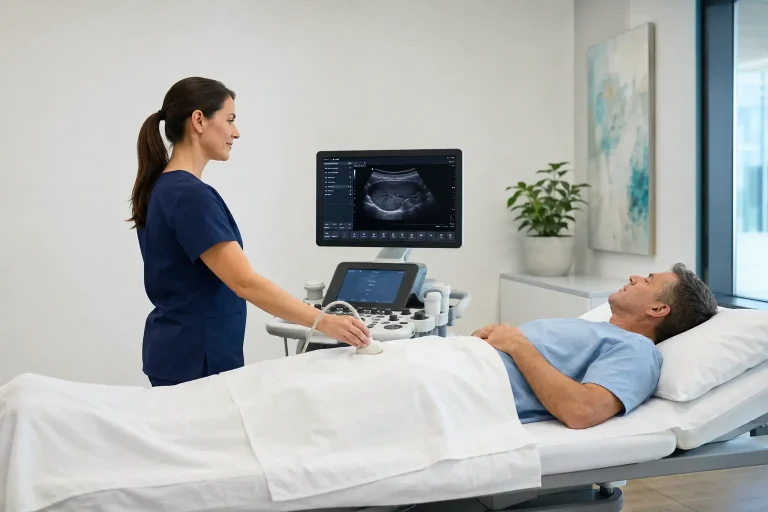
Gynecological ultrasound allows the doctor to evaluate the uterus, endometrium, ovaries and surrounding structures.
Ultrasound may be recommended for:
- pelvic or lower abdominal pain;
- heavy or irregular bleeding;
- suspected ovarian cysts;
- uterine fibroids;
- suspected endometriosis;
- menstrual cycle disorders;
- monitoring previously identified changes;
- evaluation of early pregnancy;
- assessment of the endometrium;
- selected fertility concerns.
Gynecological ultrasound is a separate service and is not automatically included in the consultation price. When medically appropriate and subject to availability, it may be performed during the same visit.
The examination may be transvaginal or transabdominal. The doctor explains the recommended method and obtains the patient’s agreement before proceeding.
Contraception Counselling
A gynecologist can help select a contraceptive method based on your health, preferences, reproductive plans and individual risk factors.
The consultation may include discussion of:
- combined hormonal contraception;
- progestogen-only contraception;
- intrauterine devices and systems;
- contraceptive implants;
- barrier methods;
- emergency contraception;
- permanent contraception;
- planning pregnancy after stopping contraception.
The most appropriate option depends on factors such as age, blood pressure, smoking, migraine history, risk of thrombosis, menstrual symptoms and other health conditions.
Hormonal contraception is prescribed only after evaluating contraindications and potential risks. Additional tests are selected according to medical indications rather than ordered routinely for every patient.
Intrauterine Device Insertion and Removal
Our gynecologists provide counselling about hormonal and non-hormonal intrauterine contraception. Before insertion, the doctor reviews the patient’s medical history and assesses whether an intrauterine device is appropriate.
Depending on the situation, testing for pregnancy or infection and a gynecological ultrasound may be recommended.
Insertion, removal, the device itself, consultation, ultrasound and laboratory tests may be charged separately. Please ask the clinic for current prices and preparation instructions when booking.
Contact the clinic or seek medical advice after insertion if you develop severe pain, heavy bleeding, fever, fainting or another concerning symptom.
Pregnancy Planning and Pregnancy Care
A preconception consultation can help prepare for pregnancy and identify health factors that may affect the mother or developing baby.
The gynecologist may discuss:
- existing medical conditions;
- regularly used medication;
- folic acid supplementation;
- vaccination history;
- menstrual cycle and fertility;
- previous pregnancies and complications;
- genetic or family medical history;
- lifestyle and occupational risks;
- recommended tests before pregnancy.
Republikas laukuma klīnika also provides pregnancy monitoring. The schedule of consultations, laboratory tests and ultrasound examinations is determined according to gestational age, the patient’s health and the course of the pregnancy.
If a home pregnancy test is positive and you have severe one-sided abdominal pain, heavy bleeding, shoulder pain, dizziness or fainting, urgent medical assessment is required because these symptoms can occur with an ectopic pregnancy or another complication.
Sexually Transmitted Infection Testing
A gynecologist may recommend testing for sexually transmitted infections if there are symptoms, a new sexual partner, unprotected sexual contact, a partner’s diagnosis or another risk factor.
Possible symptoms include:
- unusual discharge;
- pelvic pain;
- pain during sexual intercourse;
- burning during urination;
- genital sores or blisters;
- bleeding after sexual intercourse;
- itching or irritation.
Many sexually transmitted infections cause no symptoms. Testing may therefore be appropriate even when you feel well.
If an infection is diagnosed, the doctor will explain treatment, follow-up and whether sexual partners also require testing or treatment. A partner may need to consult a family doctor, urologist or dermatovenerologist.
Menopause and Perimenopause
Hormonal changes during perimenopause and menopause can cause:
- hot flushes;
- night sweats;
- sleep problems;
- vaginal dryness;
- pain during sexual intercourse;
- changes in menstrual bleeding;
- mood changes;
- urinary symptoms.
The gynecologist evaluates the symptoms, menstrual history, health risks and need for additional examinations. Treatment may include lifestyle recommendations, non-hormonal options, local vaginal therapy or menopausal hormone therapy when appropriate.
Hormone therapy is not selected solely on the basis of a single hormone blood test. The decision depends on symptoms, age, time since menopause, medical history and individual benefits and risks.
Any bleeding after menopause requires medical evaluation.
Adolescent Gynecology
The clinic provides gynecological consultations for patients aged 16 and over. A first visit may focus primarily on conversation and does not automatically require an internal examination.
Topics may include:
- irregular or painful periods;
- heavy menstrual bleeding;
- contraception;
- HPV vaccination;
- vaginal symptoms;
- questions about sexual and reproductive health.
The doctor explains each part of the consultation and examination beforehand. The patient can ask questions and say if she is uncomfortable or wishes to pause.
When booking an appointment for a patient under the age of 18, please ask the clinic whether a parent or legal representative needs to attend or provide consent.
How Does a Gynecological Consultation Proceed?
The appointment begins with a conversation about the reason for the visit, symptoms and medical history.
The doctor may ask about:
- the first day of your last menstrual period;
- cycle length and regularity;
- pregnancies and previous births;
- previous gynecological conditions or operations;
- contraception;
- medication and allergies;
- previous cervical screening results;
- family history of gynecological or breast cancer.
An examination is performed only when it is clinically relevant and with the patient’s consent. The doctor explains what is planned and answers questions beforehand.
Depending on the findings, the gynecologist may recommend laboratory tests, ultrasound, treatment or a follow-up appointment.
How to Prepare for Your Appointment
Please bring:
- identification;
- a list of current medication;
- previous gynecological reports;
- cervical screening or HPV results;
- ultrasound reports;
- hospital discharge letters;
- pregnancy records, if relevant;
- information about allergies.
It is helpful to know the first day of your most recent menstrual period and to write down the symptoms or questions you want to discuss.
A routine consultation does not always need to be scheduled outside menstruation. If cervical cytology or HPV sampling is planned, heavy bleeding may affect the sample, so booking outside the heaviest days is preferable when possible.
There is no need to postpone an appointment because of bleeding if you have acute pain, very heavy bleeding, suspected pregnancy complications or another urgent concern.
Avoid vaginal medicines, douching and sexual intercourse for approximately 24–48 hours before cervical or vaginal sample collection when possible. If you have already used treatment or had intercourse, tell the doctor rather than cancelling an important appointment.
Gynecology Prices
Initial gynecologist consultation: €65.
Gynecological ultrasound: €45.
Laboratory tests, cervical screening samples, procedures, contraception and other additional services may be charged separately.
Please confirm the total expected price when booking, particularly if you would like a consultation and ultrasound during the same visit.
Frequently Asked Questions
Do your gynecologists speak English?
Yes. Consultations for international patients are available in English. Latvian and Russian may also be available. If consultation in a particular language is essential, confirm it when selecting the doctor.
Do I need a referral?
A referral is not normally required for a paid private gynecologist consultation.
Is ultrasound included in the consultation price?
No. Gynecological ultrasound is a separate service and costs €45. When indicated and subject to availability, the consultation and ultrasound may be performed during the same visit.
Can I visit a gynecologist during my period?
Yes, particularly if you have pain, heavy bleeding or an urgent concern. For routine cervical screening, it is preferable to avoid the heaviest bleeding days because blood may affect the sample.
Do I need a cervical smear every year?
Not necessarily. Routine cervical screening intervals depend on age, the test used and previous results. In Latvia, routine screening is offered every three years at ages 25–29 and every five years from age 30 to 70. More frequent follow-up may be required after an abnormal result or treatment.
Does a positive HPV test mean cancer?
No. A positive test means that a high-risk HPV type has been detected. Most HPV infections do not develop into cancer. The need for cytology, colposcopy or repeat testing depends on the full result and previous history.
Can I have an STI test without symptoms?
Yes. Many sexually transmitted infections can be present without noticeable symptoms. The doctor can recommend appropriate tests based on your sexual history and risk factors.
Can I receive a contraceptive prescription at the first visit?
Often this is possible, but the doctor must first assess your medical history, blood pressure and possible contraindications. Additional evaluation may occasionally be required.
Is an examination compulsory?
No. The doctor explains which examination is recommended and why. Medical examinations require the patient’s consent, and you can ask questions or request that the examination be paused.
How soon should I see a doctor for abnormal bleeding?
Seek prompt medical assessment for very heavy bleeding, bleeding during pregnancy, bleeding associated with severe pain or dizziness, and any bleeding after menopause.
Book a Gynecologist Appointment in Riga
Private consultations are available at Republikas laukuma klīnika in central Riga.
Online booking is also available.
Gynecological ultrasound
Gynecological ultrasonography is an important diagnostic tool that allows doctors to assess the health of a woman’s reproductive system. This procedure uses sound waves to obtain images from inside the body, enabling specialists to visualize the uterus, ovaries, and other reproductive organs.
A gynecological USG helps accurately assess reproductive health and detect potential issues early. Schedule your examination today!