English-speaking general surgeon consultation in central Riga – €60
Dr. Jānis Opincāns provides consultations for adults with abdominal wall hernias, gallstones, skin and subcutaneous lumps, poorly healing wounds and other conditions that may require surgical treatment.
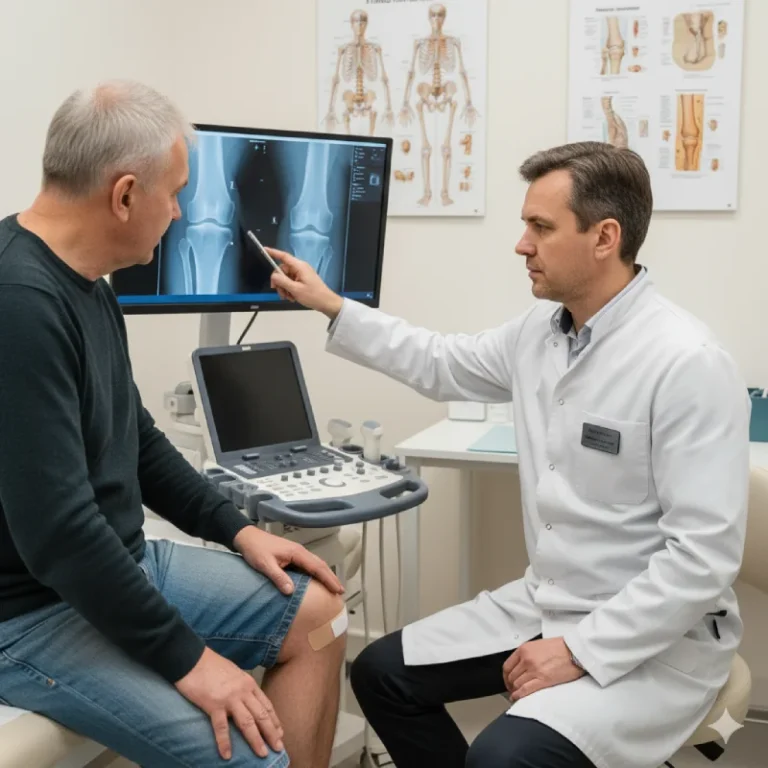
During the consultation, the surgeon will assess your symptoms, perform a clinical examination, review previous ultrasound, CT, MRI or laboratory results and explain whether observation, additional testing, a minor procedure or planned surgery is recommended.
Consultation fee: €60
Location: Republikas laukums 3–18, central Riga
Appointments:
General surgeon Dr. Jānis Opincāns
Dr. Jānis Opincāns provides general surgery consultations and evaluates conditions that may require planned surgical treatment or a minor outpatient procedure.
During the appointment, the surgeon will:
- discuss your symptoms and medical history;
- perform a clinical examination;
- assess skin or subcutaneous lesions;
- review ultrasound, CT, MRI and laboratory results;
- explain the available treatment options;
- determine whether additional examinations are needed;
- prepare an individual treatment plan;
- provide recommendations for wound and postoperative care.
A consultation in English can be arranged. Please indicate your preferred language when booking the appointment.
When should you see a general surgeon?
A general surgeon should be consulted when symptoms or diagnostic findings suggest that surgical assessment may be necessary.
You can arrange an appointment for:
- a lump or discomfort in the groin or around the navel;
- a suspected inguinal, umbilical or postoperative hernia;
- gallstones or suspected gallbladder disease;
- recurrent pain in the upper right abdomen;
- a lipoma, atheroma or another lump under the skin;
- a mole or another skin lesion that requires surgical assessment;
- an ingrown toenail;
- a wound that is healing slowly;
- wound dressing or suture removal;
- postoperative wound assessment;
- a second opinion before planned surgery.
Not every consultation leads to an operation. Depending on the diagnosis, the surgeon may recommend observation, medication, additional diagnostic tests or consultation with another specialist.
Conditions assessed by the surgeon
Abdominal wall hernias
An abdominal wall hernia develops when tissue protrudes through a weakened area of the abdominal wall. Common types include inguinal, umbilical and postoperative hernias.
A hernia may appear as a lump that becomes more noticeable when standing, coughing, exercising or lifting something heavy. It can cause pressure, discomfort or pain, although some hernias initially produce few symptoms.
During the consultation, the surgeon assesses the location and size of the hernia and determines whether observation or planned surgical repair should be considered. Ultrasound or another examination may be recommended if the diagnosis is uncertain.
Sudden severe pain, vomiting or a firm and painful hernia that cannot be pushed back requires urgent medical attention.
Gallstones and gallbladder disease
Gallstones do not always cause symptoms. When symptoms occur, they may include pain in the upper right or central abdomen, nausea, vomiting or pain extending towards the back or right shoulder. Complaints may be more noticeable after meals.
The surgeon can review your abdominal ultrasound and laboratory results and determine whether observation, additional testing or planned gallbladder surgery should be considered.
Severe persistent abdominal pain, fever, repeated vomiting or jaundice requires urgent medical assessment.
Skin and subcutaneous lesions
Skin and subcutaneous lesions include moles, lipomas, atheromas, epidermoid cysts and other lumps. Many are benign, but a clinical assessment is necessary before deciding whether and how a lesion should be removed.
A surgeon should assess a lesion if it:
- gradually increases in size;
- causes pain or discomfort;
- becomes repeatedly irritated;
- interferes with movement, clothing or daily activities;
- becomes inflamed or produces discharge;
- requires clarification of the diagnosis;
- is being considered for surgical removal.
If a mole or another skin lesion appears suspicious, assessment by a dermatologist or additional examination may be recommended before surgery.
Wounds and postoperative care
A surgeon can assess wounds that are healing slowly, postoperative wounds and signs of possible wound complications. The appointment may include wound care, dressing changes, recommendations for further treatment or suture removal.
Seek medical advice if increasing redness, swelling, discharge, persistent bleeding, worsening pain or fever develops.
Ingrown toenails
An ingrown toenail occurs when the edge of the nail grows into the surrounding skin. It may cause pain, redness, swelling and inflammation. Symptoms often worsen when walking or wearing closed shoes.
The surgeon assesses the severity of the condition and recommends appropriate treatment. Depending on the findings, conservative care or a minor surgical procedure under local anaesthesia may be considered.
Minor surgical procedures
Selected minor surgical procedures may be performed on an outpatient basis under local anaesthesia. Before the procedure, the surgeon examines the affected area, confirms whether it can be safely treated at the clinic and explains the expected result, recovery and wound care.
Minor surgical procedures may include:
- removal of selected skin lesions;
- surgical excision of moles;
- lipoma removal;
- atheroma or epidermoid cyst removal;
- removal of other selected subcutaneous lesions;
- surgical treatment of an ingrown toenail;
- wound treatment and dressing changes;
- removal of sutures.
The possibility of performing a procedure depends on the type, size, depth and location of the lesion, as well as the patient’s general health and medication use.
A minor procedure may sometimes be performed during the same visit. In other cases, a separate appointment or additional examinations will be required.
Mole removal
Selected moles can be surgically removed under local anaesthesia. The surgeon first evaluates the mole and determines whether surgical excision is appropriate.
Surgical removal usually involves removing the mole together with a small margin of surrounding tissue and closing the wound with stitches. The removed tissue may be sent for histological examination when medically indicated.
Tell the doctor if the mole has:
- recently increased in size;
- changed its shape or colour;
- developed an irregular border;
- started bleeding;
- become persistently itchy or painful.
A changing or clinically suspicious mole may require dermatoscopy or assessment by a dermatologist before removal.
Lipoma removal
A lipoma is a usually benign lump composed of fatty tissue. It is commonly soft, movable and located beneath the skin.
Removal may be considered if the lipoma:
- increases in size;
- causes pain or pressure;
- interferes with movement;
- is repeatedly irritated;
- causes cosmetic concern;
- has an uncertain diagnosis.
Many small and superficially located lipomas can be removed under local anaesthesia. Larger, deeper or unusually located lumps may require ultrasound or another examination and treatment in an operating theatre.
Atheroma and epidermoid cyst removal
An atheroma or epidermoid cyst is a lump beneath the skin that contains keratinous material. It may remain unchanged for a long time but can become inflamed, painful, red or swollen.
Planned removal is generally easier when the cyst is not acutely inflamed. The surgeon will assess whether it can be removed at the clinic or whether another treatment approach is more appropriate.
Patients should not attempt to squeeze or puncture the cyst themselves because this can increase inflammation and infection risk.
Local anaesthesia and recovery
Minor procedures are generally performed under local anaesthesia. The anaesthetic injection may cause brief discomfort, after which the treated area becomes numb.
After the procedure, you will receive instructions about:
- dressing and wound care;
- showering and keeping the wound dry;
- physical activity restrictions;
- pain relief, if needed;
- the timing of suture removal;
- warning signs that require medical attention;
- the expected histology result, if tissue is examined.
Recovery depends on the type, size and location of the procedure. Many patients can return to routine daily activities shortly afterwards, although exercise, swimming, sauna visits and strain on the wound may need to be temporarily limited.
Histological examination
Histological examination means analysing removed tissue under a microscope. It can help confirm the type of lesion and establish a final diagnosis.
The surgeon will explain whether histology is recommended and whether it is included in the procedure price or charged separately. Histological examination may be particularly important after removing a mole or a lesion whose exact nature is uncertain.
Diagnostic examinations before treatment
Not every patient requires additional testing. Depending on the symptoms and planned treatment, the surgeon may recommend:
- abdominal or soft-tissue ultrasound;
- laboratory tests;
- CT or MRI;
- assessment by a dermatologist;
- consultation with a gastroenterologist;
- anaesthesiologist consultation before surgery;
- other examinations based on the suspected diagnosis.
If you have already completed diagnostic examinations, bring the reports and, where possible, the original images to your appointment.
What should you bring to the consultation?
Please bring:
- your passport or identity document;
- previous ultrasound, CT or MRI reports and images;
- recent laboratory test results;
- hospital discharge summaries;
- conclusions from other specialists;
- a list of medications and supplements you take;
- information about allergies;
- information about previous operations.
Tell the surgeon if you use blood-thinning medication, including anticoagulants or antiplatelet medicines. Do not discontinue prescribed medication without instructions from a doctor.
Where are surgical procedures performed?
Consultations and selected minor outpatient procedures are provided at Republikas laukuma klīnika.
Operations that require an operating theatre or more extensive anaesthesia are arranged at a partner medical institution. After assessing your condition, the surgeon will explain the proposed treatment, preparation, location and expected costs.
Surgeon consultation price
A general surgeon consultation at Republikas laukuma klīnika costs €60.
Minor surgical procedures, local anaesthesia, dressings and histological examination are charged separately. The total cost depends on the type, size, number, depth and location of the lesions and the complexity of the procedure.
The expected cost will be explained after the surgeon has assessed the condition.
Book a surgeon consultation in Riga
To arrange an English-speaking general surgeon consultation, call Republikas laukuma klīnika or use online booking.
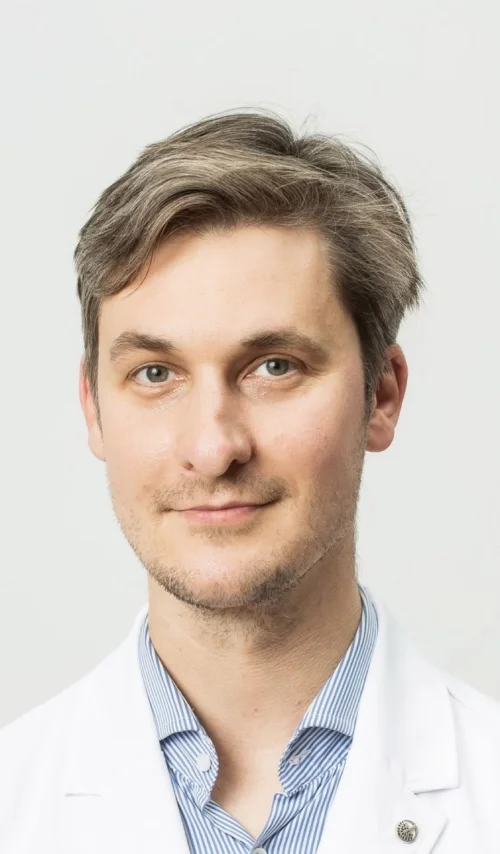
Dr. Jānis Opincāns
Consultation fee: €60
Telephone: 28002363
Address: Republikas laukums 3–18, Riga
Location: “Centra nams”, first floor; entrance from the Ministry of Agriculture side
Frequently asked questions
What does a general surgeon treat?
A general surgeon assesses conditions such as abdominal wall hernias, gallstones, skin and subcutaneous lesions, lipomas, atheromas, ingrown toenails, wounds and postoperative problems. The surgeon also determines whether an operation is necessary.
How much does a surgeon consultation cost?
A general surgeon consultation at Republikas laukuma klīnika costs €60. Diagnostic examinations, minor procedures, local anaesthesia and histological examination are charged separately.
What happens during the consultation?
The surgeon discusses your symptoms and medical history, performs a clinical examination and reviews previous test results. You will receive recommendations about observation, additional examinations, a minor procedure or planned surgery.
What should I bring to the consultation?
Bring any available ultrasound, CT or MRI reports and images, laboratory results, hospital discharge summaries and conclusions from other doctors. You should also provide a list of your medications, allergies and previous operations.
Can a mole be removed at the clinic?
Selected moles can be surgically removed under local anaesthesia after assessment by the surgeon. If a mole appears suspicious, dermatoscopy or consultation with a dermatologist may be recommended before removal.
Does mole removal hurt?
The local anaesthetic injection may cause brief discomfort, but the treated area should then become numb. Mild tenderness may occur after the anaesthetic wears off.
Can a lipoma be removed under local anaesthesia?
Many small and superficially located lipomas can be removed under local anaesthesia. The surgeon must first assess the lipoma’s size, depth and location. Larger or deeper lesions may require imaging or removal in an operating theatre.
What is the difference between a lipoma and an atheroma?
A lipoma is usually a soft lump made of fatty tissue. An atheroma or epidermoid cyst is a sac beneath the skin containing keratinous material. A medical examination is necessary because not every lump beneath the skin is a lipoma or cyst.
Is a consultation required before removing a lesion?
Yes. The surgeon must assess the lesion, determine whether surgical removal is appropriate and decide whether it can be safely performed at the clinic.
Can the consultation and procedure take place on the same day?
In selected cases, a minor procedure may be performed during the same visit. This depends on the diagnosis, complexity, required preparation and available appointment time. A separate procedure appointment may be necessary.
Will the removed tissue be examined?
Removed tissue may be sent for histological examination when medically indicated. Histology helps confirm the diagnosis. The surgeon will explain whether it is recommended in your case.
Will there be a scar after the procedure?
Every surgical incision leaves a scar. Its final appearance depends on the lesion’s size and location, the surgical technique, individual healing and compliance with wound-care recommendations.
Are stitches required?
Stitches are commonly required after the surgical removal of a mole, lipoma, cyst or another lesion. The surgeon will explain how to care for the wound and when the stitches should be removed.
When are stitches removed?
The timing depends on the location and size of the wound. Stitches are often removed approximately 7–14 days after the procedure, but the surgeon may recommend a different timeframe.
How long does recovery take?
Recovery depends on the procedure and the location of the wound. Many patients can resume routine daily activities shortly afterwards, but exercise, swimming, sauna visits and strain on the wound may need to be temporarily restricted.
Can I consult the surgeon in English?
Yes, a consultation in English can be arranged. Please indicate your preferred language when booking.
Where are larger operations performed?
Operations requiring an operating theatre are arranged at a partner medical institution. The surgeon will explain the location, preparation and expected costs during the consultation.
When should I seek emergency medical care?
Seek urgent medical attention for severe or rapidly worsening abdominal pain, repeated vomiting, fever with abdominal pain, jaundice, significant bleeding or a painful hernia that becomes firm and cannot be pushed back. Republikas laukuma klīnika does not provide emergency medical care.