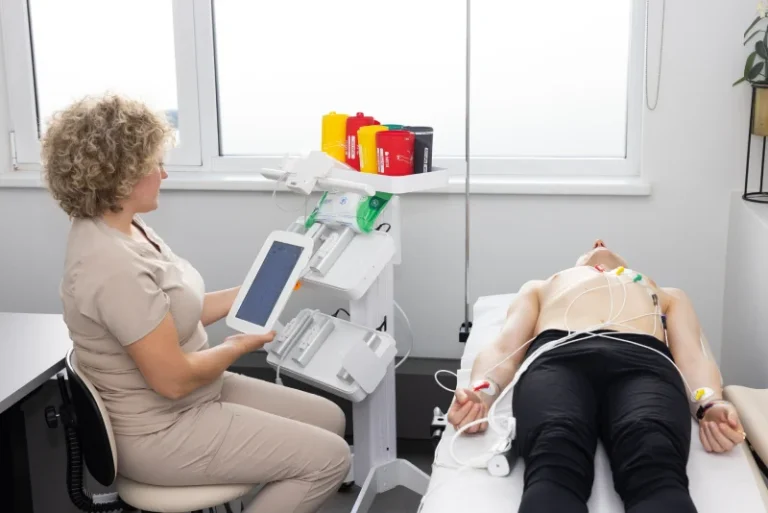
Ultrasound (USG) in private clinic in Riga center at “Republikas laukuma klīnika” is a safe, painless, and highly effective diagnostic method providing deep insight into organ and tissue health for both adults and children. Using advanced imaging technology and a patient-centered approach, our experienced specialists ensure accurate results in a calm and professional environment. Whether you need a routine health check or a specialized pediatric examination, our clinic in the heart of the city is dedicated to your family’s well-being. Book your ultrasound examination today!

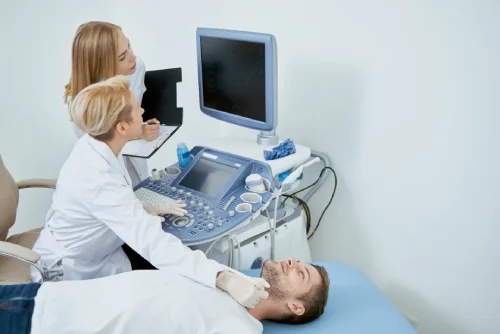




What is ultrasound or USG?
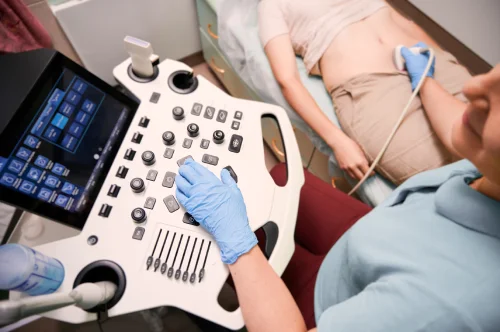
Ultrasound is a modern medical imaging technique that allows doctors to examine the human body without any surgical intervention. It is a fast, harmless, and painless diagnostic method that provides valuable information about the condition of various organs and tissues, helping to detect a wide range of pathologies—from structural abnormalities to functional disorders.
General ultrasound | Republikas laukuma klīnika
Ultrasonography uses sound waves that are completely safe for the human body, making it suitable for various patient groups, including pregnant women and young children.
The advantages of ultrasound include its safety (no harmful radiation is used), ease of application, real-time imaging capability, and relatively low cost. However, the method also has limitations—it is less effective in areas obstructed by bones or gas, and image quality depends on the frequency used: higher frequencies provide better resolution but shallower penetration. Ultrasonography is considered very safe and is often the first choice in diagnosing various medical conditions.
At “Republikas laukuma klīnika“, we use the latest-generation ultrasonography device – Canon Aplio a WH V 6.0 and Canon Aplio i800 Prism Edition V 9.0 Premium.
What is an ultrasound for?
Ultrasound (sonography) is a non-invasive imaging technique that uses high-frequency sound waves to create real-time images of the inside of the body. Doctors use it to investigate the causes of pain, swelling, and infection, as well as to monitor ongoing health conditions.
Abdominal ultrasound
Evaluates the liver, gallbladder, spleen, pancreas, and kidneys to identify conditions like gallstones, cysts, or tumors.
Thyroid sonography
Examines the thyroid gland to identify nodules, inflammation, or signs of underlying thyroid disease.
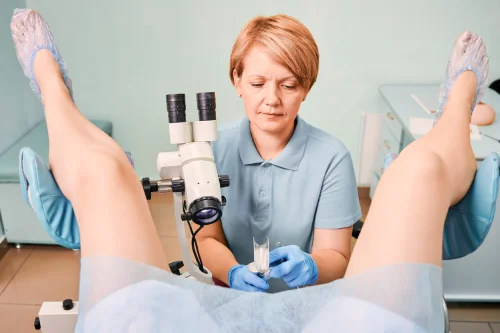
Gynecological ultrasound
Assesses the uterus and ovaries for abnormalities and is the gold standard for monitoring fetal development during pregnancy.
Prostate and tescticular ultrasound
Evaluates the male reproductive system to identify irregularities such as cysts, tumors, or inflammation.
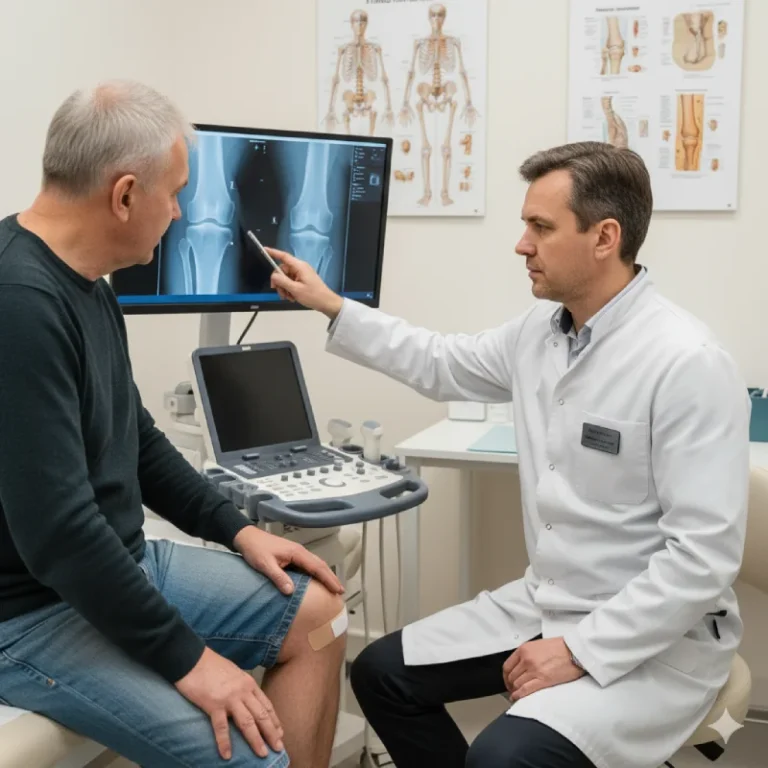
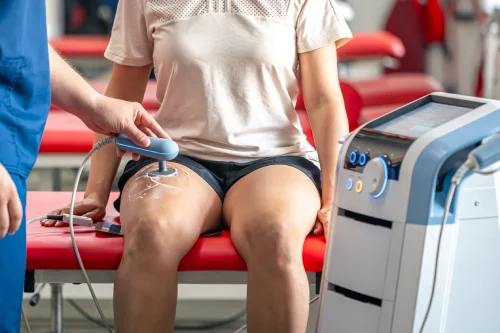
Join and soft tissue ultrasound
Investigates the nature of lumps, bumps, or swollen lymph nodes; also used to assess muscle tears, tendon injuries, and joint inflammation.
Vascular doppler – monitoring blood flow
Specialized USG technology (called a Doppler) can see and hear the blood moving through your veins and arteries. This is used to detect:
- Blood clots (DVT).
- Blocked or narrowed arteries.
- Heart valve function (known as an Echocardiogram).
Guiding medical procedures – joint blocks
Ultrasonography provides a “road map” for doctors performing other tasks. For example, a doctor might use an ultrasound to:
- Guide a needle for a biopsy (sampling tissue)
- Assist in draining a cyst or abscess
- Guide the placement of an IV or catheter in difficult-to-reach veins
- Steroid injections in knee
How to prepare for ultrasound?
The duration of an ultrasound procedure is typically between 15 to 30 minutes, depending on the area of the body being examined. Proper preparation for the ultrasound examination is essential to obtain accurate and reliable results, which help the doctor make a correct diagnosis.
Different types of USG examinations have different preparation requirements. For example, abdominal ultrasound is usually performed on an empty stomach, while joint, soft tissue, and thyroid examinations typically do not require special preparation. By following all the doctor’s instructions regarding preparation, the patient can significantly improve the quality and accuracy of the examination results. Before the procedure, the patient is informed about the process and its purpose.
- Always bring your doctor’s referral or order form and a valid form of identification.
- Wear loose, comfortable, two-piece clothing. You may be asked to change into a hospital gown for certain exams.
- Avoid wearing jewelry near the area being scanned (e.g., necklaces for a thyroid scan).
- Plan to arrive at least 15 minutes early to complete any necessary paperwork.
If you need high-quality ultrasound private clinic in Riga, book an appointment online with our clinic’s highly qualified ultrasound specialists today!
Frequently Asked Questions
Ultrasound is one of the safest diagnostic methods, as it uses ultrasound waves instead of ionizing radiation. The procedure is completely safe, harmless, and painless.
There are no known significant contraindications, and it can be safely performed on pregnant women to assess fetal development. It is also suitable for children and individuals with various health conditions.
In simple terms, an ultrasound (USG) test is like a “live camera” for the inside of your body. It uses high-frequency sound waves to create real-time images of your organs, tissues, and blood flow without using any radiation.
Because it is safe and non-invasive, it is used for a wide variety of medical reasons across all age groups.
Ultrasound (USG) in the Riga center is available at “Republikas laukuma klīnika”, conveniently located at Republikas laukums 3-18, in the heart of the Centra rajons. Our modern private clinic is situated near Old Riga and the city port, offering easy access for residents, expats, and visitors alike.
No, an ultrasound is a non-invasive procedure and is generally not painful. Most patients find it to be a comfortable experience.
The gel – you may feel a cool, water-based gel on your skin.
The pressure – the sonographer will apply firm pressure with the transducer.
The full bladder – for pelvic or gynecological exams, you are required to have a full bladder.
Interventional procedures – if your ultrasound is being used for “Interventional Guidance” (such as a needle biopsy or a joint injection), you may feel the brief discomfort associated with a medical needle. The ultrasound, however, is only being used to guide the doctor safely.