Looking for an English-speaking family doctor or general practitioner in Riga? Republikas laukuma klīnika provides private GP consultations for acute illnesses, chronic health conditions, preventive care and the assessment of examination results.
Consultations are provided by Dr. Ruslans Mihailovskis, a general practitioner and sleep medicine specialist. Consultations are available in English, Latvian and Russian.
Family doctor consultation: €60.
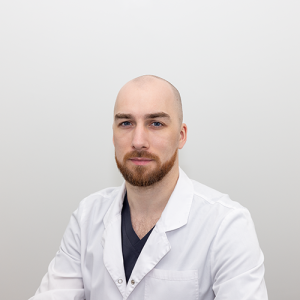
Dr. Ruslans Mihailovskis
General practitioner
Private general practitioner in Riga city centre
A family doctor, also known as a GP or general practitioner, is usually the first medical professional to contact when you develop new symptoms, need ongoing management of a chronic condition or are unsure which specialist you should see.
During a private consultation, the doctor can assess your symptoms, perform an examination, review previous test results and recommend the next steps. When medically appropriate, these may include treatment, laboratory tests, diagnostic examinations or consultation with another specialist.
Our private GP service is suitable for both residents of Latvia and international patients looking for medical care in English.
What can a family doctor help with?
- Pre-consultation patient survey – the purpose of the visit is indicated, such as acute illness, chronic disease management, issuance or extension of sick leave, preparation of work certificates, medical assessment for drivers (CSDD), prescription of medications, and other individual concerns.
- Evaluation of complaints from various organ systems – respiratory, cardiovascular, digestive, hormonal, musculoskeletal, nervous, and mental health systems.
- Review of previous tests and examinations – including blood and urine tests, X-rays, CT scans, ultrasound (USG), MRI, electrocardiograms (ECG), echocardiograms (ECHO), and other diagnostics.
- Consultations on relevant health issues for the patient.
- Necessary measurements – body mass index (BMI), blood pressure, ECG, spirometry, and others.
- Laboratory testing and scheduling of additional consultations.
- Follow-up appointments – based on the doctor’s recommendation, patients are scheduled for control visits and necessary tests, which can be performed on-site (USG, PG, Holter monitoring, etc.), or for specialized consultations with our english speaking doctors: gastroenterologist, urologist, traumatologist, gynecologist, and others.
- Written report on performed examinations – information on results is provided, and if necessary, a recommended plan of action, including referral to a specialist.
- Analysis of test results – provided during an in-person consultation (usually within 2–3 days) or remotely—for an additional fee.
The family doctor can also help determine whether your symptoms can be managed in primary care or require assessment by a specialist.
Acute Illnesses
A private GP consultation may be appropriate when an acute health problem requires medical assessment but is not life-threatening.
Examples include:
- cold or flu-like symptoms;
- cough and sore throat;
- fever;
- uncomplicated respiratory infections;
- nausea, vomiting or diarrhoea;
- mild urinary symptoms;
- headache or dizziness;
- minor skin infections;
- mild allergic reactions;
- sudden worsening of a previously diagnosed condition.
Treatment depends on the cause of the symptoms. Antibiotics are prescribed only when the doctor identifies a medical indication. They are not effective against viral infections.
If you have severe breathing difficulty, chest pain, loss of consciousness, signs of a stroke, severe bleeding or another potentially life-threatening condition, call the Latvian Emergency Medical Service on 113.
Management of Chronic Conditions
A family doctor can provide follow-up care for common chronic health conditions, including:
- arterial hypertension;
- elevated cholesterol;
- type 2 diabetes or prediabetes;
- asthma and other stable respiratory conditions;
- thyroid disorders;
- chronic headaches;
- digestive problems;
- sleep disorders;
- long-term fatigue;
- overweight and obesity.
During follow-up visits, the doctor can assess symptoms, review measurements and laboratory results, evaluate the effectiveness of treatment and determine whether additional examinations are required.
Do not stop or change prescribed medication without discussing it with a doctor.
Prescriptions, Sick Leave and Medical Documents
When medically indicated, the family doctor may:
- issue electronic prescriptions;
- renew prescriptions after evaluating the patient’s condition;
- issue or extend a certificate of incapacity for work;
- provide a medical report;
- recommend diagnostic examinations;
- refer the patient for a private specialist consultation;
- assess whether a medical certificate can be issued.
The doctor must first evaluate whether issuing a prescription, sick-leave certificate or other medical document is clinically and legally appropriate. A requested document cannot be guaranteed before the consultation.
If you require a specific certificate—for example, a document for work, sport or driving—please state this when booking. The administrator can explain whether the service is available and which documents or additional examinations you should bring.
Referrals and Private Medical Care in Latvia
Republikas laukuma klīnika mainly provides paid medical services. You do not normally need a referral to attend a private family doctor consultation.
A doctor may recommend or issue a referral for additional examinations or specialist care. However, a referral issued during a paid consultation does not automatically entitle the patient to a state-funded service.
Access to state-funded healthcare in Latvia is subject to separate eligibility, registration and referral requirements. If you specifically need a state-funded examination or consultation, confirm the applicable conditions with the Latvian National Health Service or the medical institution providing that service.
Do I Need to Register With This Family Doctor?
You can book a private consultation without transferring your registration from your current family doctor. International patients and people who are not registered with a Latvian GP may also use the clinic’s paid services.
A private appointment at Republikas laukuma klīnika does not automatically register you with the Latvian state-funded family doctor system.
If you wish to register with a family doctor for state-funded primary care, a separate registration procedure and eligibility requirements apply. Information about state-funded healthcare and GP registration is available from the Latvian National Health Service.
Review of Blood Tests and Examination Results
A family doctor can review and explain previously completed investigations, including:
- blood and urine tests;
- electrocardiograms;
- blood pressure measurements;
- spirometry results;
- ultrasound reports;
- X-ray reports;
- CT and MRI reports;
- hospital discharge summaries;
- specialist reports.
The results are interpreted together with your symptoms, medical history, medication and physical examination. A single laboratory value or imaging finding does not always establish a diagnosis.
If further investigations are necessary, the doctor will explain which tests are recommended and why.
Tests and Diagnostics at the Clinic
Depending on the medical indication, patients may be able to complete several examinations at Republikas laukuma klīnika, including:
- blood and laboratory tests;
- electrocardiogram;
- spirometry;
- ultrasound examinations;
- consultations with medical specialists.
The availability of a specific test and any necessary preparation should be confirmed when booking.
Not every blood test requires fasting. Do not fast unnecessarily—ask the clinic whether you may eat and drink before the planned examination. Water is usually permitted unless you receive different instructions.
Referrals to Medical Specialists
If your symptoms require specialist assessment, the family doctor can recommend the most appropriate next step.
The clinic provides access to specialists such as:
- gastroenterologist;
- gynaecologist;
- urologist;
- neurologist;
- traumatologist and orthopaedic specialist;
- endocrinologist;
- rheumatologist;
- surgeon;
- vascular surgeon;
- cardiothoracic surgeon;
- anaesthesiologist.
Coordinating examinations and specialist consultations within one clinic can make the diagnostic process more convenient. Each additional service is booked and charged separately.
Preventive health Check-Ups
A GP consultation can also be used when you do not have acute symptoms but would like to assess your general health or understand your individual health risks.
A preventive examination may include:
- discussion of your personal and family medical history;
- blood pressure measurement;
- evaluation of body weight and body mass index;
- review of lifestyle factors;
- assessment of cardiovascular and metabolic risks;
- selection of appropriate blood tests;
- electrocardiogram or spirometry when indicated;
- recommendations concerning screening and vaccination;
- an individual plan for further examinations.
Preventive testing should be selected according to the patient’s age, sex, symptoms, family history and risk factors. Performing the largest possible number of tests does not necessarily provide better medical care.
Republikas laukuma klīnika also offers BASIC, PLUS and ULTRA health check-up programmes. Their contents and current prices should be confirmed when booking.
English-speaking doctor for international patients
Navigating an unfamiliar healthcare system can be difficult, particularly when discussing symptoms or medical history in another language. An English-speaking GP can help international patients understand:
- the possible causes of their symptoms;
- which examinations are necessary;
- how prescribed medication should be used;
- whether specialist care is required;
- how private and state-funded services differ in Latvia;
- what follow-up is recommended.
Please bring your identification document and any relevant medical records. Medical documents in English are welcome. If your records are in another language, bring an English or Latvian translation when possible, particularly for important diagnoses, allergies and previous operations.
How to prepare for a GP appointment
Before your appointment, prepare a short summary of your symptoms:
- when they started;
- whether they are constant or intermittent;
- what makes them better or worse;
- whether you have a fever;
- whether similar symptoms have occurred before;
- what treatment you have already tried.
Please also bring:
- a list of prescription and non-prescription medicines;
- the dose and frequency of each medicine;
- information about allergies;
- previous test and imaging results;
- hospital discharge letters;
- reports from other specialists;
- vaccination information, if relevant.
If possible, write down your main questions before the visit. This helps ensure that the most important concerns are addressed during the consultation.
Family doctor consultation price
Private family doctor consultation: €60.
Laboratory tests, diagnostic examinations, medical certificates, remote consultations and other additional services may be charged separately.
For current prices or questions about insurance coverage, please contact the clinic before your appointment. Coverage depends on the terms of the individual insurance policy and the insurer’s agreement with the clinic.
Frequently Asked Questions
Is a family doctor the same as a GP?
In this context, yes. “Family doctor,” “general practitioner” and “GP” all refer to a primary care doctor who assesses common health problems, manages stable chronic conditions and coordinates further medical care.
Can I see the doctor if I am not registered with a Latvian GP?
Yes. You can book a paid private consultation even if you are not registered with a Latvian family doctor. The visit does not automatically register you in the state-funded GP system.
Do I need a referral for a private GP appointment?
No referral is normally required for a paid family doctor consultation.
Does the doctor speak English?
Yes. Dr. Ruslans Mihailovskis provides consultations in English, Latvian and Russian.
Can the doctor issue a prescription?
When medically appropriate, the doctor can issue or renew a prescription after evaluating your health, diagnosis and current treatment. Prescription issuance cannot be guaranteed before the consultation.
Can the doctor issue sick leave?
The doctor may issue or extend a certificate of incapacity for work when there is a medical and legal basis for doing so. The decision is made following an assessment of the patient.
Can I receive a referral for state-funded treatment?
A referral issued during a paid consultation does not provide access to state-funded treatment automatically. State-funded referrals and services are subject to separate National Health Service requirements.
Can the doctor review tests completed in another country?
Yes. Bring the full report, reference ranges and any related medical documents. English-language reports are preferable. Additional testing may be recommended if the available information is incomplete.
Should I come fasting?
A normal consultation does not require fasting. Some laboratory tests may require specific preparation, while many do not. Confirm the instructions with the clinic before your visit.
Are remote consultations available?
Some follow-up consultations and discussions of test results may be possible remotely when clinically appropriate. A first assessment or new acute symptoms may require an in-person examination. Availability and price should be confirmed when booking.
Book a family doctor appointment in Riga
Private consultations with Dr. Ruslans Mihailovskis are available at Republikas laukuma klīnika in central Riga.
Consultation price: €60.
Telephone: +371 28002363. Online booking is also available.