Glutathione is a tripeptide composed of three amino acids: glutamic acid, cysteine, and glycine. It is found in many tissues at relatively high concentrations within cells, similar to levels of glucose, potassium, and cholesterol. It plays a vital role in several key physiological processes:
- Maintaining optimal antioxidant levels – It helps preserve the cellular oxidative balance.
- Detoxification – It neutralizes toxic substances of both external (exogenous) and internal (endogenous) origin.
- Immune system regulation – It influences immune responses and inflammatory processes.
Because intracellular glutathione concentrations are high, it functions as the body’s primary antioxidant, protecting cells from oxidative stress and damage.
Potential therapeutic significance
The ability of glutathione to neutralize oxidative stress has led to significant interest in its therapeutic potential for various chronic and acute conditions. Research suggests it may play an important role in:
- Neurodegenerative diseases – Such as Parkinson’s and Alzheimer’s, where oxidative stress contributes to nerve cell damage.
- Autoimmune diseases – Its antioxidant properties may help reduce inflammation and cellular damage.
- Chronic fatigue syndrome and fibromyalgia – These conditions are often characterized by decreased glutathione levels and elevated oxidative stress.
- Respiratory diseases – Such as asthma and COPD, where a glutathione deficiency can impair inflammation control.
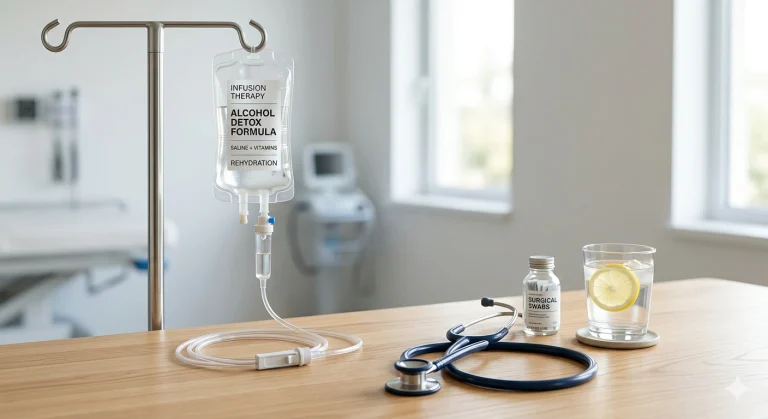
While glutathione supplementation (via dietary supplements or intravenous infusions) is being studied as a potential therapy, broader clinical trials are still ongoing to fully confirm its efficacy across different medical treatments.
Pharmacological properties of glutathione
Glutathione features an atypical peptide bond between the glutamate residue and cysteine, utilizing the $\gamma\text{-carboxyl}$ group of glutamate. Within cells, it exists in two states:
- Thiol-reduced form (GSH)
- Disulfide-oxidized form (GSSG)
The reduced form (GSH) is dominant, accounting for more than 98% of total glutathione. Roughly 80–85% of GSH is located in the cytoplasm, 10–15% in the mitochondria (requiring specific transport mechanisms), and a small portion in the endoplasmic reticulum.
The antioxidant role of glutathione
- Reduction of oxidative stress: It neutralizes free radicals and reactive oxygen species (ROS), protecting cells from damage.
- Antioxidant balance: The GSH/GSSG ratio serves as a critical indicator of a cell’s oxidative state.
- Detoxification: It participates in neutralizing xenobiotics by forming water-soluble metabolites that the body can easily excrete.
- Cell cycle regulation: It influences cell proliferation and apoptosis (programmed cell death), playing a role in tissue repair.
- Immune modulation: It regulates cytokine release and lymphocyte activity, which is essential for controlling infection.
- Fibrogenesis: Studies suggest GSH may reduce the development of fibrosis in the liver or lungs by mitigating tissue damage caused by inflammation.
Consequences of decreased glutathione levels
When glutathione levels drop, several negative health impacts can occur:
- Weakened defense: Cells become vulnerable to oxidative stress, which can damage DNA, proteins, and lipids.
- Increased inflammation: Deficiency promotes the activation of inflammatory mediators, potentially exacerbating chronic diseases.
- Neurodegeneration: Significant GSH depletion has been observed in brain tissues of patients with Parkinson’s and Alzheimer’s.
- Immune dysfunction: Low levels impair lymphocyte function, reducing the body’s ability to fight infections.
Why glutathione levels matter
Research indicates that reduced glutathione levels do not just reflect disease progression—they actively contribute to it. This makes the cells more sensitive to oxidative damage and inflammation.
To maintain optimal levels, several strategies are used:
- Nutritional support: Precursors like N-acetylcysteine (NAC), whey protein, B, C, and E vitamins, alpha-lipoic acid, and selenium.
- Dietary intake: Consumption of cruciferous vegetables and green tea.
- Direct administration: Intravenous (IV) glutathione.
While IV-administered glutathione has a short half-life, it has shown positive results in clinical settings. For example, in patients with Parkinson’s disease, intravenous glutathione administration improved symptoms, with effects lasting 2–4 months after therapy.
Schedule your visit today!
Restore your body’s strength and natural defenses. “Republikas laukuma klīnika” is located in the heart of Riga’s center, providing discreet and professional medical care.