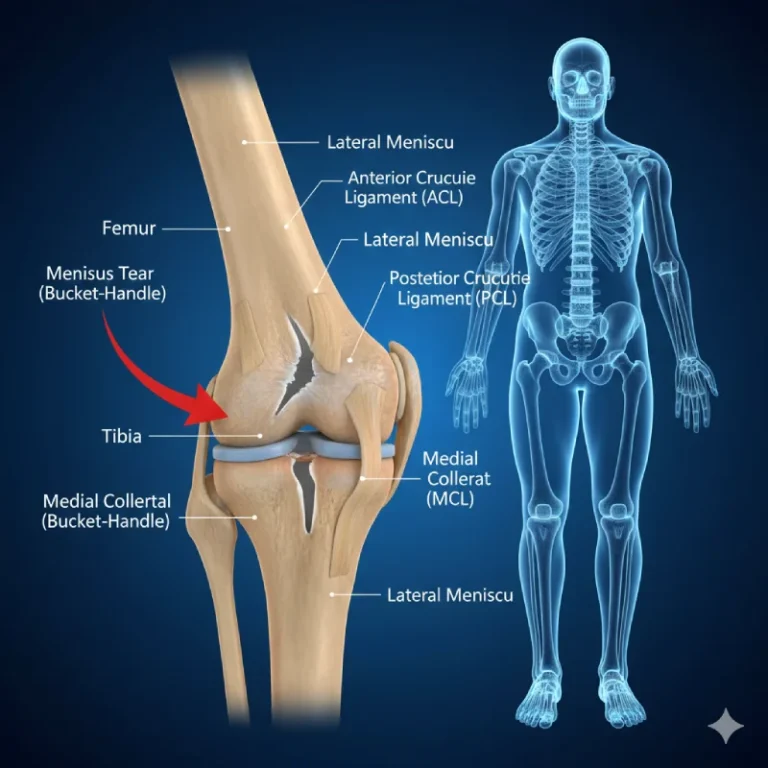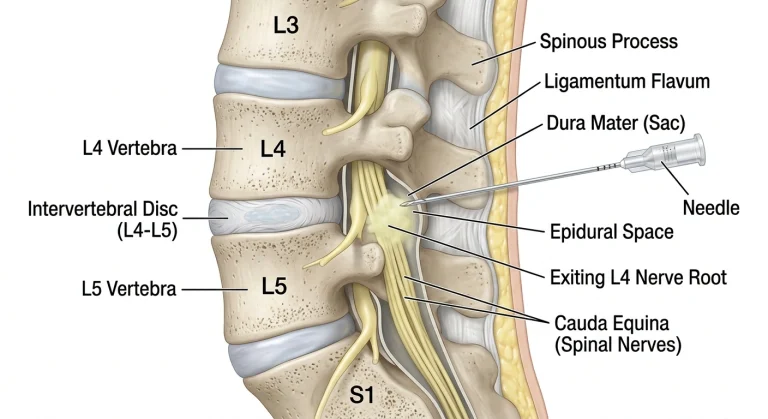

Pain and swelling in the joints are often the first signal the body gives of rheumatoid arthritis. This chronic inflammatory disease affects not only the joints but can affect the whole body, so knowing the symptoms and treatment options is the first step towards recovery. Below we have gathered all the information you need: from the first signs and the necessary blood tests to the most modern treatment options offered by leading specialists in Latvia. Don’t let arthritis set the rhythm of your days – take control today.
What is rheumatoid arthritis?
Rheumatoid arthritis (RA) is a chronic autoimmune diseasethat causes joint inflammation, pain, swelling and limited movement. Unlike osteoarthritis, RA affects not only the joints but can also affect internal organs, such as the heart, lungs and kidneys.
The disease develops when the immune system mistakenly attacks the body’s own tissues, especially the synovial membrane that surrounds the joints. This causes inflammation that can lead to joint deformity and loss of functionif not treated in time.

Dr. Aleksandra Bukina
Rheumatologist
Symptoms of rheumatoid arthritis
Rheumatoid arthritis can show up in different ways, but the most common symptoms are:
- Morning stiffness in the joints (lasting more than 30 minutes)
- Symmetrical joint inflammation (for example, in both wrists)
- Pain and swelling in the fingers, hands, knees and feet
- Fatigue, weight loss, low-grade fever
- Lumps under the skin (rheumatoid nodules)
Why does rheumatoid arthritis develop?
Although the exact cause of RA is unknown, the following contribute to its development:
| Factor | Description |
|---|---|
| Genetics | Certain genes, especially HLA-DR4, increase susceptibility to autoimmune reactions. |
| Female sex | RA affects women 2–3 times more often than men. |
| Smoking | Activates the immune system and significantly increases the risk of developing RA. |
| Infections | Some viral or bacterial infections can act as a trigger for autoimmunity. |
| Chronic stress | Long-term stress affects the balance of the immune system and promotes inflammatory processes. |
| Hormones | Fluctuations in oestrogen levels (e.g. after childbirth or during menopause) can affect the disease. |
| Environment | Air pollution and toxic substances at work can increase the risk. |
| Vitamin D | Low levels are linked to a higher risk of inflammation and immune imbalance. |
Diagnosis of rheumatoid arthritis
An accurate RA diagnosis is essential for effective treatment. The following methods are used:
- Blood tests – rheumatoid factor (RF), anti-CCP antibodies, CRP, ESR
- Imaging tests – X-ray, MRI, joint ultrasound
- Physical examination – assessment of joint mobility, swelling and pain
Which tests should you take if your joints hurt?
If you have pain, stiffness or swelling in your joints, the first step is an objective diagnosis. In rheumatology, blood tests help to tell mechanical wear (osteoarthritis) apart from autoimmune inflammation (arthritis).
Basic set of tests (the “rheumatology test” minimum):
- Full blood count (FBC) with ESR – shows general inflammation in the body. A raised sedimentation rate (ESR) often accompanies arthritis.
- C-reactive protein (CRP) – the most accurate marker of an active inflammatory process.
- Rheumatoid factor (RF) – a specific test that helps diagnose rheumatoid arthritis (although it may be negative in the early stages).
- Anti-CCP (anti-citrullinated peptide antibodies) – a much more accurate marker than RF, which can detect rheumatoid arthritis even before symptoms appear.
- Uric acid – needed to rule out gout – a disease that often causes sudden joint pain.
- ANA (antinuclear antibodies) – if a systemic connective tissue disease (such as lupus) is suspected.
Important: Test results must not be interpreted on your own. Even if the values are within normal limits, the pain may have another medical cause. A consultation with a rheumatologist is essential to make an accurate diagnosis.
Treatment of rheumatoid arthritis
RA treatment is tailored to the individual and includes:
Medication
- DMARDs (disease-modifying antirheumatic drugs): methotrexate, leflunomide
- Biologic medicines: TNF-alpha inhibitors (adalimumab, etanercept)
- Non-steroidal anti-inflammatory drugs (NSAIDs): ibuprofen, diclofenac
- Corticosteroids: prednisolone
Additional therapies
- Physiotherapy: to improve joint mobility and muscle strength
- Occupational therapy: adapting everyday activities
- Psychological support: to reduce depression and anxiety
Lifestyle and prevention
To improve quality of life with RA, it is recommended to have:
- Regular, gentle physical activity (such as swimming, yoga)
- An anti-inflammatory diet (omega-3, vitamin D, less sugar)
- Stopping smoking
- Regular doctor’s visits and following the treatment plan
Frequently asked questions
Rheumatoid arthritis cannot be cured completely, but with modern therapy it is possible to achieve remission and live a full life.
Rheumatoid arthritis usually affects joints symmetrically and causes morning stiffness and systemic symptoms, while osteoarthritis is mechanical and localised.
A highly qualified rheumatologist works at Republikas laukuma klīnika, who will assess your complaints and find the best solution.
Full blood count (FBC) with ESR
C-reactive protein (CRP)
Rheumatoid factor (RF)
Anti-CCP (anti-citrullinated peptide antibodies).
Uric acid
ANA (antinuclear antibodies)
Questions about your health?
Specialist doctors see patients at Republikas laukuma klīnika in central Riga. Our reception will help you choose the right specialist and time.