Iron deficiency is one of the most common nutritional deficiencies worldwide. It can cause persistent fatigue, weakness, shortness of breath, reduced concentration and other symptoms that affect everyday life.
However, treatment should not focus only on restoring iron levels. It is also important to determine why the deficiency developed. Possible causes include blood loss, increased iron requirements, insufficient dietary intake or impaired absorption.
At Republikas laukuma klīnika in central Riga, patients can consult a family doctor, gynaecologist or gastroenterologist, undergo the necessary blood tests and, when medically indicated, receive prescribed intravenous iron treatment.
What is the iron-deficiency anemia?
Iron deficiency anemia is the most common nutritional deficiency anemia in the world. Its causes are simple: insufficient iron intake through diet, poor absorption, increased requirements (most commonly during pregnancy), and blood loss (menstruation, gastrointestinal bleeding). Global reviews and clinical guidelines consistently emphasize that iron deficiency anemia is common and treatable, but its cause must always be purposefully investigated.
The World Health Organization indicates that hundreds of millions of women and children live with anemia; iron deficiency is the most common cause. It is not just “fatigue”—anemia directly affects mortality, maternal and child outcomes, and quality of life.
Common symptoms of iron deficiency
The symptoms vary depending on how quickly the deficiency develops and how severe it becomes. Common complaints include:
- persistent tiredness and weakness;
- reduced physical endurance;
- shortness of breath during exertion;
- dizziness or headaches;
- palpitations;
- difficulty concentrating;
- pale skin;
- hair loss;
- brittle or spoon-shaped nails;
- soreness or cracking at the corners of the mouth;
- restless legs.
Some people develop unusual cravings for non-food substances or ice. This is known as pica and may be associated with iron deficiency.
These symptoms are not specific to anaemia. Similar complaints can occur with thyroid disorders, infections, sleep problems, vitamin deficiencies and other conditions. Blood tests are therefore required before treatment is started.
The role of iron in the body and the importance of “heme iron”
Iron is a component of hemoglobin and myoglobin, participating in electron transfer and hormone synthesis. In the diet, iron exists in two forms: heme iron (animal products) and non-heme iron (plant products). It is believed that heme iron is absorbed better. A typical “Western” diet provides approximately 10–15% of total iron intake, yet this proportion contributes disproportionately to absorption.
To ensure normal iron levels in the blood, it is necessary to combine non-heme iron (legumes, green leafy vegetables) with Vitamin C and/or a small amount of heme iron sources (meat, fish) to improve absorption.
Which blood tests are used to diagnose iron deficiency?
A serum iron result alone is not sufficient because it can fluctuate considerably during the day and may be influenced by meals, supplements and inflammation.
The doctor may recommend the following tests:
- Full blood count – includes haemoglobin, haematocrit and red blood cell indices such as MCV and MCH.
- Ferritin – provides information about the body’s iron stores.
- Transferrin saturation (TSAT) – indicates how much circulating transferrin is carrying iron.
- C-reactive protein (CRP) – helps determine whether inflammation could be affecting the ferritin result.
- Vitamin B12 and folate – may be tested when another type of anaemia is possible.
- Reticulocyte count or soluble transferrin receptor – may be useful in selected or diagnostically unclear cases.
A low ferritin level strongly supports iron deficiency. However, ferritin can rise during inflammation, infection, liver disease and certain chronic illnesses. A ferritin result that appears normal does not always exclude iron deficiency. The result should be assessed together with haemoglobin, TSAT, CRP, symptoms and the patient’s medical history.
The ferritin threshold used to diagnose iron deficiency depends on the clinical situation. For patients who already have anaemia, the American Gastroenterological Association recommends using a threshold of 45 ng/mL rather than 15 ng/mL to reduce the risk of missing iron deficiency.
Iron deficiency calculator
Iron deficiency calculator
(Includes 500 mg for iron store replenishment)
What causes iron deficiency?
Iron deficiency is not a final diagnosis. Its underlying cause should be identified whenever possible.
Common causes include:
- heavy or prolonged menstrual bleeding;
- pregnancy and increased iron requirements;
- insufficient dietary iron intake;
- gastrointestinal bleeding;
- stomach or intestinal disorders that reduce absorption;
- coeliac disease;
- inflammatory bowel disease;
- previous bariatric or gastrointestinal surgery;
- frequent blood donation;
- long-term use of medicines that increase the risk of bleeding;
- increased requirements during periods of rapid growth;
- recent surgery or other significant blood loss.
In menstruating women, heavy periods are a common cause. A gynaecological assessment may be required, particularly when bleeding is unusually heavy, prolonged or associated with uterine fibroids or other symptoms.
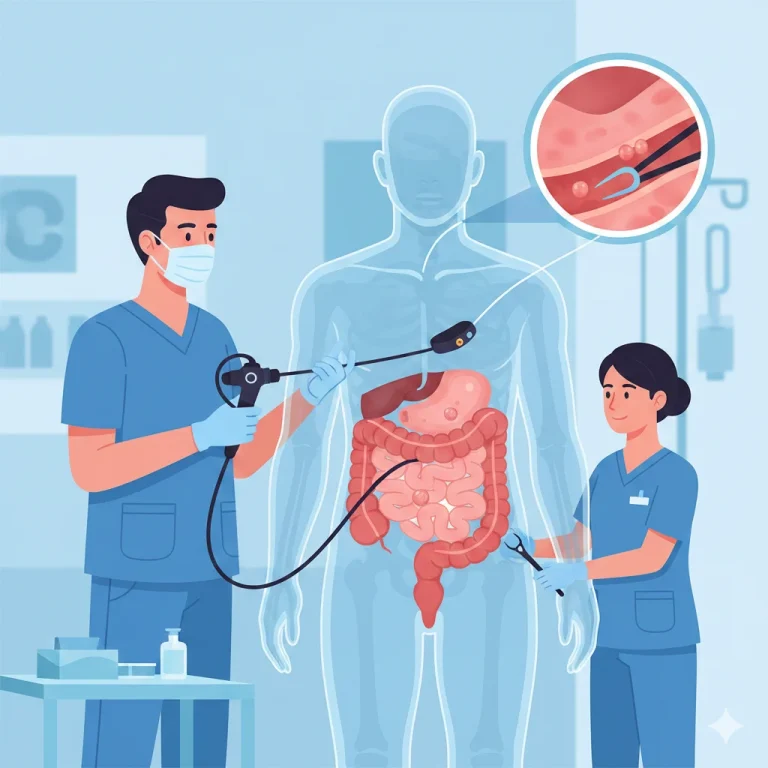
In men and postmenopausal women, confirmed iron deficiency anaemia may require investigation of the gastrointestinal tract. Depending on the patient’s age, symptoms, blood-test results and individual risk factors, the doctor may recommend gastroscopy, colonoscopy, coeliac disease testing or other examinations.
Premenopausal women may also require gastrointestinal investigation when the anaemia is recurrent or disproportionate to menstrual blood loss, when gastrointestinal symptoms are present, or when other risk factors are identified.
Which doctor should I consult?
The appropriate specialist depends on the symptoms and suspected cause.
A family doctor can arrange the initial blood tests, assess the results and prepare a treatment or investigation plan.
A gynecologist should be consulted when iron deficiency may be associated with heavy menstruation, irregular bleeding, uterine fibroids or pregnancy.
A gastroenterologist may be required when gastrointestinal bleeding, coeliac disease, inflammatory bowel disease or impaired iron absorption is suspected.

Dr. Viktorija Margevičus

Dr. Ruslans Mihailovskis

Dr. Denis Jevdokimov
Iron deficiency during pregnancy
Iron requirements increase significantly during pregnancy because iron is needed for the mother’s increased blood volume, the placenta and the developing baby.
Anaemia during pregnancy should be assessed by a doctor because it may be associated with maternal fatigue and an increased risk of pregnancy-related complications. A full blood count is routinely used during pregnancy, while ferritin and other tests may be ordered when iron deficiency is suspected.
Oral iron is commonly used as the initial treatment. Intravenous iron may be considered when:
- oral iron is not tolerated;
- absorption is impaired;
- oral treatment has not produced an adequate response;
- the deficiency is more severe;
- iron stores need to be restored within a limited period.
The decision depends on the stage of pregnancy, severity of the deficiency and the woman’s overall clinical condition. Intravenous iron is generally avoided during the first trimester unless a specialist determines that its use is necessary.
Treatment of iron deficiency anaemia
Treatment has two objectives:
- to restore haemoglobin and iron stores;
- to identify and manage the cause of the deficiency.
The most appropriate approach depends on the severity of the deficiency, symptoms, underlying condition and response to previous treatment.
Iron-rich foods
Diet can help maintain adequate iron intake, but food alone may not be sufficient to correct established iron deficiency anaemia.
Sources of haem iron, which is generally absorbed more efficiently, include:
- meat;
- poultry;
- fish and seafood.
Sources of non-haem iron include:
- beans, lentils and chickpeas;
- tofu;
- whole grains;
- seeds and nuts;
- green leafy vegetables;
- iron-fortified foods.
Vitamin C can improve the absorption of non-haem iron. Tea, coffee and calcium-rich products may reduce absorption when consumed at the same time as an iron-rich meal or oral iron supplement.
Liver contains iron but is not recommended during pregnancy because of its high vitamin A content.
Oral iron supplements
Oral iron is often the first treatment when the deficiency is mild or moderate and rapid correction is not required.
The preparation, elemental iron dose and dosing schedule should be selected by a medical professional. Taking iron once daily or on alternate days may improve tolerance and absorption for some patients.
Possible side effects include:
- nausea;
- abdominal discomfort;
- constipation or diarrhoea;
- dark stools.
Haemoglobin usually does not return to normal immediately. A blood test is commonly repeated after several weeks to assess the response. Treatment may need to continue after haemoglobin has normalised so that the body’s iron stores can also be replenished.
If haemoglobin does not improve as expected, the doctor should assess adherence, ongoing blood loss, the accuracy of the diagnosis and possible absorption problems.
Intravenous iron infusions in Riga
Intravenous iron delivers iron directly into the bloodstream. It can replenish iron stores more rapidly than oral treatment, but it is not automatically the best option for every patient.
A doctor may recommend an iron infusion when:
- oral iron is not tolerated;
- oral iron has not been effective;
- intestinal absorption is impaired;
- there is continued clinically significant blood loss;
- iron must be replaced within a shorter period;
- the patient has a condition for which intravenous iron is medically preferred.
Intravenous iron must be administered on a doctor’s prescription in a medical facility equipped to recognise and treat infusion reactions.
All intravenous iron medicines can rarely cause serious hypersensitivity reactions. The patient must therefore be monitored during administration and for the period specified in the medicine’s instructions and the clinic’s protocol.
Possible temporary adverse effects include nausea, headache, flushing, altered taste, muscle or joint discomfort, dizziness and reactions around the injection site. Patients should tell the medical team immediately if they experience breathing difficulty, facial swelling, widespread itching, chest discomfort or sudden weakness.
Monofer infusion
Monofer contains ferric derisomaltose. Depending on the calculated iron requirement, body weight and prescribing information, it may allow a larger amount of iron to be administered during one visit than preparations containing iron sucrose.
A complete treatment course may sometimes be delivered in one infusion, but this is not possible or appropriate for every patient. The dose and duration are determined individually by the doctor.
Venofer infusion
Venofer contains iron sucrose. It is administered intravenously in medically determined doses. Because the amount given during one administration is usually smaller, several visits may be required to deliver the total prescribed iron dose.
The choice between Venofer, Monofer or another preparation depends on:
- the total calculated iron requirement;
- the patient’s diagnosis and medical history;
- previous reactions to intravenous medicines;
- pregnancy status;
- authorised dosing limitations;
- the doctor’s clinical assessment.
One preparation should not be described as universally better than another.
How quickly does an iron infusion work?
An infusion supplies iron directly to the body, but it does not raise haemoglobin or eliminate symptoms instantly.
Some patients notice an improvement in fatigue within several days or weeks. The bone marrow requires time to produce new red blood cells, so the haemoglobin response develops gradually.
The timing of follow-up blood tests is determined by the treating doctor. Testing ferritin too soon after an infusion may produce a temporarily elevated result that does not yet accurately reflect stable iron stores.
Persistent or worsening symptoms should be reassessed rather than treated with repeated infusions without appropriate blood tests.
Preparing for an iron infusion
Before the appointment:
- provide the clinic with the doctor’s prescription or referral;
- bring recent blood-test results;
- inform the medical team about allergies and previous infusion reactions;
- provide a complete list of medicines and supplements;
- tell the medical team if you are pregnant, may be pregnant or are breastfeeding;
- ask whether any oral iron supplements should be temporarily discontinued.
Unless instructed otherwise, patients can usually eat and drink before an iron infusion. Comfortable clothing that allows easy access to the arm is recommended.
When should urgent medical help be sought?
Seek urgent medical attention if weakness or suspected anaemia is accompanied by:
- chest pain;
- shortness of breath at rest;
- fainting;
- severe palpitations;
- vomiting blood;
- black, tar-like stools;
- heavy uncontrolled bleeding;
- rapid deterioration in general condition.
These symptoms should not be managed by arranging a routine iron infusion without urgent clinical assessment.
Frequently asked questions
Can I have low iron without anaemia?
Yes. Ferritin and other markers may indicate depleted iron stores even when haemoglobin is still within the laboratory reference range. Symptoms and the cause of the deficiency should nevertheless be assessed by a doctor.
Is ferritin the same as iron?
No. Ferritin reflects stored iron, whereas serum iron measures iron circulating in the blood at a particular moment. Serum iron varies considerably and should not normally be interpreted on its own.
What is the fastest way to increase iron levels?
Intravenous iron can restore iron stores more quickly than oral supplements, but it should only be used when medically indicated. Severe symptoms or very low haemoglobin may require urgent assessment because an iron infusion is not an immediate substitute for emergency treatment.
Is one iron infusion enough?
Sometimes, particularly with preparations that allow a larger single dose. In other cases, several administrations are required. The number of visits depends on the total iron deficit and the selected medicine.
Can I book an iron infusion without blood tests?
Intravenous iron should not be administered solely because of tiredness or a previous history of low ferritin. Recent blood tests and a doctor’s prescription are normally required to confirm the indication and calculate the appropriate dose.
Can iron deficiency return after treatment?
Yes. Iron deficiency may recur if its underlying cause—such as heavy menstrual bleeding, gastrointestinal blood loss or impaired absorption—has not been identified and treated.
Consultation and iron infusion in central Riga
If you have symptoms of iron deficiency or abnormal blood-test results, the first step is a medical consultation. The doctor can assess haemoglobin, ferritin, transferrin saturation and other relevant results, investigate the possible cause and recommend suitable treatment.
When intravenous iron is medically indicated and prescribed, Venofer or Monofer treatment can be administered at Republikas laukuma klīnika in central Riga.
Republikas laukuma klīnika
Republikas laukums 3–18, Riga, Centra nams, 1st floor; entrance from the Ministry of Agriculture side
Book a consultation or contact the clinic to arrange a prescribed iron infusion.