
Is your erection less firm than before, does it fade during intimacy, or fail to happen when you want it to? These experiences can feel difficult to discuss. But they are health concerns you can talk about with a doctor just as openly as blood pressure or sleep problems.
An occasional difficulty after a stressful day, poor sleep or drinking alcohol does not necessarily mean you have a medical condition. If difficulties recur or worry you, it is worth finding out why. Many men can achieve improvement with suitable treatment and attention to their overall health.
What is erectile dysfunction?
Erectile dysfunction, or ED, means recurring or persistent difficulty getting or keeping an erection firm enough for satisfying sexual activity. An erection may develop but lack firmness or fade too soon.
This is different from low sexual desire or premature ejaculation, although these problems can occur together. Having normal sexual desire does not rule out ED.
Why can erections become weaker?
An erection depends on blood vessels, nerves, hormones and sexual arousal working together. Several factors often contribute at the same time.
- Blood vessel and metabolic health. High blood pressure, diabetes, high cholesterol, smoking and excess weight can affect blood flow to the penis.
- Stress and emotional wellbeing. Performance anxiety, depression, exhaustion or relationship difficulties can interfere with arousal. Worry after one difficult experience may contribute to further difficulties.
- Medicines. Some antidepressants, blood pressure medicines and other treatments can affect sexual function. Do not stop prescribed treatment yourself: your doctor can assess alternatives.
- Hormones, nerve damage or previous treatment. Testosterone deficiency, neurological conditions, pelvic injury, surgery or radiotherapy may contribute.
Younger men can also experience ED. Age alone is not a reason to accept a problem that affects your quality of life.
What does ED have to do with heart health?
Erectile difficulties can sometimes be an early sign of changes in blood vessel health. They may appear before other symptoms of cardiovascular disease become noticeable.
This does not mean every man with ED has heart disease. However, it is worth checking blood pressure, blood sugar and cholesterol and discussing cardiovascular risk with your doctor. Further tests depend on your individual circumstances.
If you develop chest pain, marked breathlessness or fainting during exercise or sexual activity, stop the activity and seek medical help. For acute or persistent symptoms in Latvia, call 113.
What happens at a urology appointment?
The appointment starts with a conversation: when the problem began, whether it happens every time or only in certain situations, and whether you still have morning erections and sexual desire. Your doctor will also ask about sleep, medical conditions, medicines and emotional wellbeing. Morning erections provide useful information but do not prove the cause is exclusively psychological.
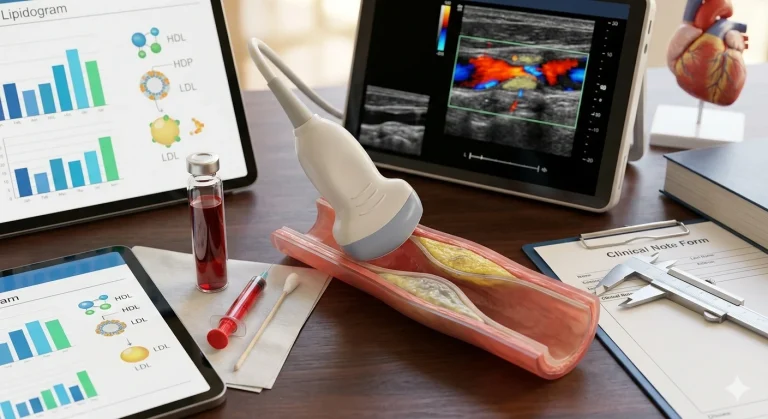
A focused examination and assessment of general health follow. If not checked recently, blood tests usually include glucose or HbA1c, a lipid profile and total testosterone measured in the early morning while fasting. A low testosterone result generally needs confirmation on a separate morning; a diagnosis is not based on one result alone.
Other blood tests and penile blood-flow Doppler ultrasound are arranged when needed. Prostate ultrasound or an extensive hormone panel is not necessary for every patient simply because they have ED.
What treatments are available?
Everyday habits and emotional support
Regular exercise, stopping smoking, losing excess weight and controlling long-term conditions can improve erectile function. Limiting alcohol and paying attention to sleep quality can also help. These changes can happen alongside treatment: you do not have to perfect every habit before getting help.
When anxiety or relationship strain contributes, psychotherapy or psychosexual counselling may help, including sessions with a partner. Physical and emotional factors often overlap.
Prescription medicines
Treatment often includes medicines such as sildenafil or tadalafil, which improve blood flow to the penis during sexual arousal. They do not create sexual desire on their own. Your doctor selects the medicine and schedule according to your health and preferences.
If a first attempt does not help, this does not necessarily mean treatment has failed. Timing, meals, arousal and dose can all matter. Do not change the dose or combine different ED medicines yourself.
These medicines must not be combined with nitrates, such as nitroglycerin, or “poppers”, because blood pressure can fall dangerously. Your doctor needs to know about all your medicines, including riociguat and nicorandil. If chest pain occurs after taking an ED medicine, do not take nitroglycerin yourself: call 113 in Latvia and tell the emergency team what you took and when.
When tablets are unsuitable or do not help
Options include vacuum erection devices, injections of specific medicines after training, and, in selected cases, a penile implant. Testosterone treatment is intended for men with confirmed deficiency and relevant symptoms. It is not a universal treatment for ED and can suppress sperm production.
Low-intensity shockwave therapy may be considered for selected men with blood-flow-related ED, but improvement can be modest and is not guaranteed. PRP and stem-cell procedures are not established standard treatments with sufficiently proven effectiveness. Before choosing a procedure, discuss realistic benefits, risks and costs.
“Natural potency boosters” advertised online are not necessarily safe and may contain undeclared drug ingredients. Use a registered pharmacy and discuss treatment with a doctor first.
When should you seek help?
Book a consultation if difficulties recur, worsen or affect your relationship or wellbeing. You do not have to wait several months if the problem concerns you. Tell your doctor about pain, a new bend in the penis or a marked reduction in sexual desire too.
An erection lasting four hours or longer is an emergency, even if it is not painful. Go to an emergency department immediately. Sudden deterioration in vision or hearing after taking an ED medicine also needs urgent medical assessment.
Urology consultation in Riga
You can discuss erectile difficulties with a urologist at Republikas laukuma klīnika. The doctor will assess possible causes and agree a plan for further investigation and treatment with you. The conversation is confidential. You can attend alone or bring your partner if you wish.
To book a urology consultation, call +371 28002363.
This article provides general information and does not replace an individual medical consultation.
Questions about your health?
Specialist doctors see patients at Republikas laukuma klīnika in central Riga. Our reception will help you choose the right specialist and time.